
Turismo médico en Tijuana, sin viajar a ciegas
Si vives en Estados Unidos o Canadá, esta es la guía de cómo funciona tratarte con el Dr. Alfredo Chama: instalaciones certificadas, logística de viaje y seguimiento bilingüe, explicado antes de que cruces.

Por qué Tijuana
Un corredor médico real, no una promesa de folleto
Tijuana es una ciudad fronteriza con infraestructura hospitalaria propia y una comunidad médica acostumbrada a atender pacientes de los dos lados de la línea. Para quien vive en Estados Unidos o Canadá, eso significa poder tratarse con un cirujano plástico certificado sin un viaje largo — y volver a revisión sin reorganizar la semana entera.
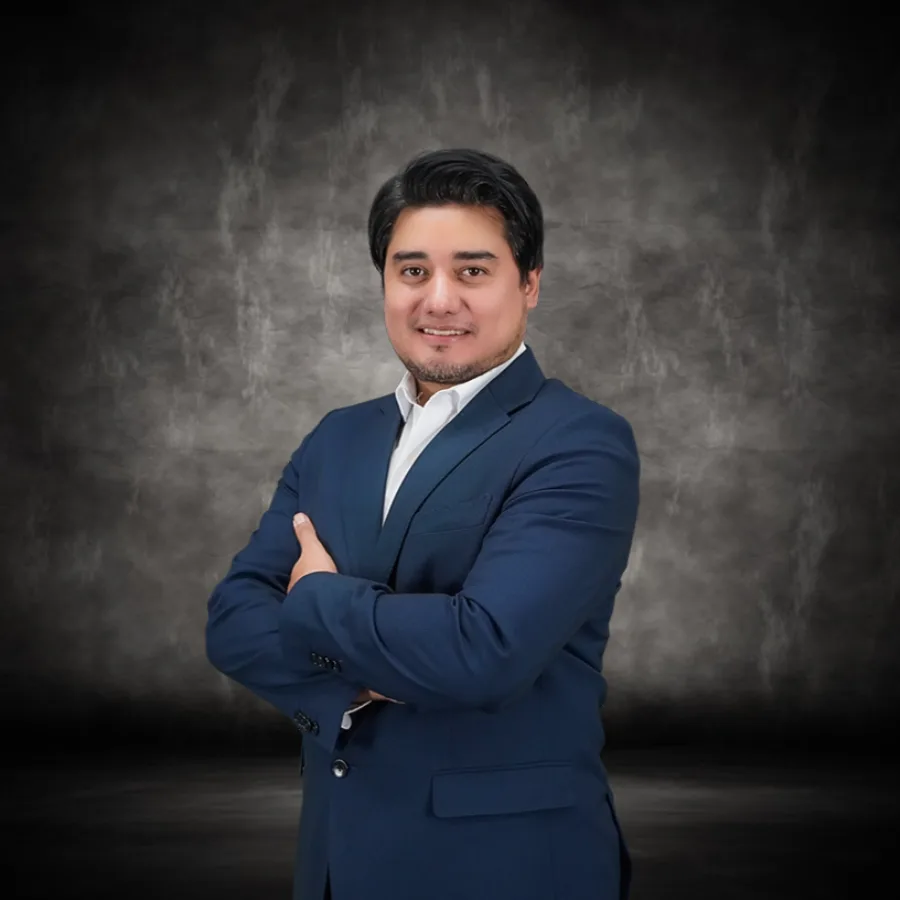
No prometemos tiempos de cruce: dependen del día, de la garita y de tu documentación, y eso no lo controla el consultorio. Lo que sí está en nuestras manos es la logística de este lado: instalaciones certificadas, una valoración seria antes de cualquier plan, y comunicación completa en tu idioma.
Instalaciones certificadas
Las cirugías se realizan en quirófano hospitalario en Tijuana. Los procedimientos no quirúrgicos se realizan en consultorio clínico adaptado.
Acceso transfronterizo
Tijuana es una ciudad fronteriza con infraestructura hospitalaria propia y comunidad médica acostumbrada a atender pacientes de los dos lados de la línea.
Atención bilingüe
La consulta, el consentimiento informado y el seguimiento se manejan completos en español e inglés, sin traducir a medias.
Cirujano certificado
Cirujano plástico certificado, verificado en el localizador oficial de Motiva, con criterio de valoración antes de cualquier plan.

Dónde te atienden
entorno hospitalario
Los procedimientos se realizan en entorno hospitalario, Tijuana — quirófano de hospital, con el equipo de anestesia y los protocolos que eso implica. Las cirugías en quirófano hospitalario; los procedimientos no quirúrgicos en consultorio clínico. El consultorio te confirma la ubicación exacta y los detalles logísticos al agendar tu visita.
No mostramos imágenes del procedimiento en sí: la información de esta página es educativa, para que llegues a tu valoración con el contexto completo, no para sustituirla.
Cómo funciona el viaje
De tu primer mensaje a tu regreso a casa
Ningún paciente foráneo empieza cruzando la frontera a ciegas. Así se ve el proceso completo, pensado para que decidas con información antes de organizar un viaje:
- 01
Primer contacto virtual
Escribes por WhatsApp desde donde estés y cuentas qué te gustaría cambiar. El consultorio hace las preguntas de historial necesarias y agenda una videollamada — nadie te pide cruzar la frontera todavía.
- 02
Valoración a distancia
En la videollamada, el Dr. Chama revisa tu caso, te explica si el procedimiento aplica y qué esperar. Es la misma conversación que tendría un paciente local, solo que empieza antes de que viajes.
- 03
Cruce fronterizo y logística
Necesitas identificación válida para cruzar (pasaporte o documento equivalente); los tiempos de espera en la garita dependen del día y de tu documentación, no del consultorio, así que no prometemos un número de minutos. Coordinamos contigo las fechas de tu procedimiento y de tu cita presencial con margen.
- 04
Estancia y recuperación en Tijuana
Cuánto tiempo conviene quedarte antes de volver a cruzar depende del procedimiento y de cómo evoluciona tu recuperación — se define contigo en la valoración, no por calendario genérico. El consultorio te da indicaciones concretas de cuidados y señales de alarma antes de que regreses a casa.
Seguridad y credenciales
Verificable, no solo prometido
Cruzar la frontera para tratarte no debería significar bajar el estándar. El criterio aquí es el mismo que exigirías de un cirujano en tu propia ciudad:
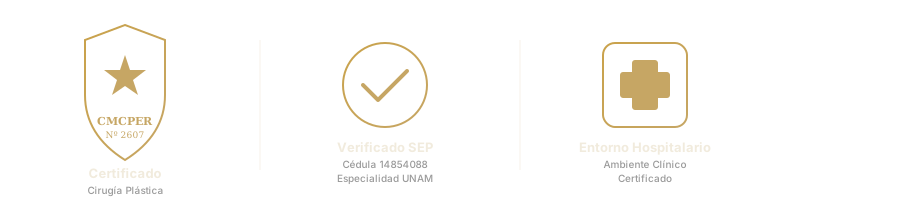
CMCPER, Certificación Nº 2607 · Consejo Mexicano de Cirugía Plástica, Estética y Reconstructiva (CMCPER). Certificación de consejo.
Motiva. Cirujano verificado en el localizador oficial de Motiva; ofrece Preservé y Motiva MinimalScar. Estar verificado en el localizador es un dato que puedes consultar por tu cuenta, no una etiqueta de exclusividad. Todos los procedimientos se realizan en entorno hospitalario, con atención bilingüe de principio a fin.
Si quieres los criterios completos para evaluar cualquier opción —no solo esta—, lee ¿es seguro operarse en Tijuana?: cómo verificar una certificación, qué cambia el entorno hospitalario, quién debe administrar la anestesia y las señales de alarma al elegir clínica.

Después de volver a casa
Seguimiento virtual para pacientes que regresan a EE.UU. o Canadá
Volver a cruzar la frontera por cada revisión de rutina no debería ser la única opción. Por eso el seguimiento postoperatorio se puede llevar a distancia cuando tu caso lo permite:
Antes de irte
Sales de Tijuana con indicaciones por escrito: cuidados, medicamentos, señales de alarma y cuándo toca tu primera revisión.
Revisión a distancia
Cuando el caso lo permite, el seguimiento posterior se puede llevar por videollamada, para que no dependas de volver a cruzar la frontera por cada revisión de rutina.
Si algo no se ve bien
Si algo te preocupa durante la recuperación, escribes por WhatsApp y el consultorio te orienta si conviene una revisión virtual, presencial o acudir a un servicio de urgencias cerca de ti.
Comunicación en tu idioma
Todo el seguimiento — mensajes, videollamadas, indicaciones — se maneja en inglés si es tu idioma, sin intermediarios ni traducción a medias.
Sigue explorando
Procedimientos Relacionados


Procedimientos que más consultan pacientes foráneos
Blefaroplastia
Cirugía de párpados y procedimiento ancla del consultorio. Página completa con variantes, recuperación y preguntas frecuentes.
↗ Área de atenciónAbdominoplastia
Reconstrucción de la pared abdominal: piel sobrante y musculatura separada, no un método para bajar de peso.
↗ Área de atenciónLiposucción
Contorno corporal por zonas. La valoración define qué zonas tienen sentido y cuáles no.
↗ Área de atenciónLevantamiento de glúteos
Transferencia de grasa propia, sin implantes, con el plano de inyección y el entorno hospitalario como no negociables.
↗¿Prefieres conocer primero al consultorio? Vuelve al inicio del sitio o lee sobre la trayectoria y certificación del Dr. Chama.
Preguntas frecuentes
Lo que más preguntan los pacientes foráneos
¿Es seguro viajar a Tijuana para una cirugía plástica?
La seguridad no depende de cruzar la frontera, depende de con quién te operas y dónde. El Dr. Chama es cirujano plástico certificado y opera en quirófano hospitalario o consultorio clínico, según el procedimiento — el mismo estándar que exigirías de cualquier cirujano, esté donde esté.
¿Qué tan cerca está Tijuana de San Diego?
Tijuana es la ciudad fronteriza inmediata al sur de San Diego. No te vamos a prometer un tiempo exacto de cruce: varía según el día, la garita y tu documentación, y eso no lo controla el consultorio. Lo que sí controlamos es la logística de este lado una vez que decides venir.
¿Qué necesito para cruzar la frontera?
Una identificación válida para el cruce fronterizo, típicamente pasaporte o el documento equivalente que ya uses para entrar a México. Confirma los requisitos vigentes con la autoridad migratoria; el consultorio te ayuda con las fechas, no con el trámite migratorio en sí.
¿Puedo empezar el proceso sin viajar todavía?
Sí. El primer contacto es por WhatsApp y la valoración inicial puede ser una videollamada. Solo coordinamos tu visita a Tijuana cuando el plan ya está claro.
¿Cuánto tiempo debo planear quedarme en Tijuana?
Depende del procedimiento y de cómo evoluciona tu recuperación en los primeros días — no es el mismo tiempo para una blefaroplastia que para una abdominoplastia. Se define contigo en la valoración, con margen suficiente antes de que vuelvas a cruzar.
¿Dónde me quedo durante la recuperación?
El consultorio no opera hospedaje propio, pero te orienta sobre zonas cercanas a entorno hospitalario y Plaza Península al coordinar tu visita, para que la logística de tus primeros días de recuperación sea lo más simple posible.
¿El Dr. Chama y su equipo hablan inglés?
Sí. La consulta, el consentimiento informado y el seguimiento se manejan completos en español e inglés, tanto para pacientes locales como para quienes viajan desde EE.UU. y Canadá.
¿Necesito venir acompañado?
Se recomienda venir con un acompañante, sobre todo para el día del procedimiento y los primeros días de recuperación. El consultorio te da indicaciones específicas para tu caso en la valoración.
¿Qué pasa si tengo una complicación después de volver a Estados Unidos?
Antes de que salgas de Tijuana recibes señales de alarma claras por escrito. Si algo te preocupa ya en casa, escribes por WhatsApp y el consultorio te orienta si conviene una revisión virtual o acudir a un servicio de urgencias cerca de ti; para emergencias, siempre prioriza la atención médica más cercana.
¿El seguimiento después de la cirugía es solo presencial?
No necesariamente. Cuando el caso lo permite, el seguimiento posterior se puede llevar por videollamada, para que no dependas de cruzar la frontera por cada revisión de rutina — solo cuando el Dr. Chama considere necesario verte en persona.
¿Cómo sé si soy candidato antes de viajar?
Eso es justo lo que resuelve la valoración a distancia: el Dr. Chama revisa tu caso por videollamada y te dice con franqueza si el procedimiento aplica, qué esperar y si conviene esperar o ajustar el plan — antes de que organices el viaje.
¿Cuánto cuesta operarme como paciente foráneo?
No publicamos precios porque no existe un precio único: cambia con el procedimiento, la técnica y tu caso clínico. Recibes una cotización personalizada después de tu valoración, sin sorpresas ni cargos por ser paciente foráneo.
¿Qué documentos médicos debo llevar?
Historial médico relevante, medicamentos que tomas actualmente, alergias y cirugías previas si aplica. El consultorio te confirma exactamente qué necesita según el procedimiento que estés valorando.
¿Atienden pacientes de EE.UU. y Canadá?
Atendemos pacientes de todo Estados Unidos y Canadá que buscan un cirujano plástico certificado con atención bilingüe en Tijuana. La logística de viaje se coordina igual, sin importar desde dónde partas.
Empieza con una consulta virtual
Cuéntanos desde dónde escribes. La cotización es personalizada y el primer contacto no requiere cruzar la frontera.
WhatsApp +52 664 585 1602Valoración
Solicita tu valoración
Atención directa con el equipo del Dr. Alfredo Chama, cirujano plástico certificado en Tijuana. Escríbenos o llama y agendamos tu cita.
o si prefieres, directo:
Última actualización: 19 de septiembre de 2026