
Liposuction in Tijuana
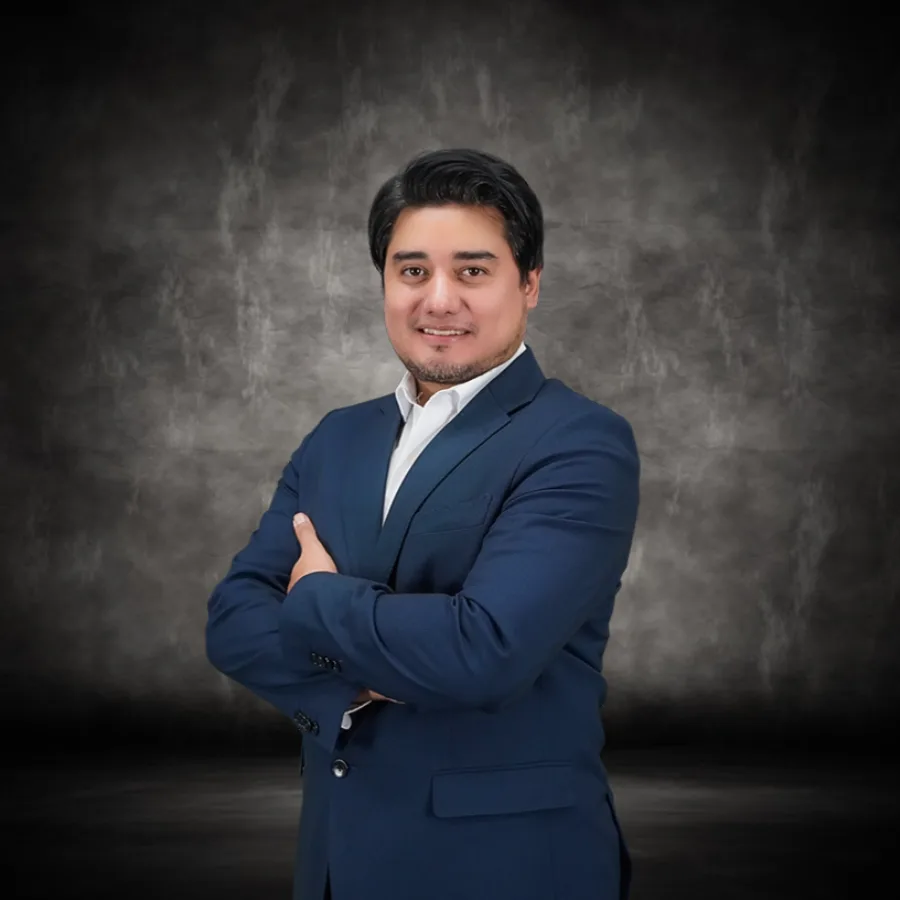
Targeted fat removal — sculpting specific areas of the body by extracting resistant fat deposits that don’t respond to diet or exercise. Performed by a Mexican Council-certified plastic surgeon with an individual assessment based on your anatomy, not a standard template.

Body contouring · Surgery
- CMCPER, Mexican Council certification No. 2607
Verify his certification ↗
- Source
- CMCPER Directory (directoriocirugiaplastica.mx)
- Identifier
- CMCPER, Mexican Council certification No. 2607
- Last verified
- Jul 29, 2026
- Verified in Motiva’s official surgeon locator
- Hospital setting
- Bilingual care · ES / EN
What it is
Fat removal — contouring, not weight loss
Liposuction is a surgical procedure that removes fat from specific areas of the body using a thin cannula connected to a vacuum. It reshapes contours — it doesn’t reduce overall body weight. The goal is to improve proportion and definition in areas where fat persists despite a reasonable lifestyle.
This is one of the most commonly performed cosmetic procedures in the world. According to the International Society of Aesthetic Plastic Surgery (ISAPS), liposuction was the most performed surgical procedure globally in 2023, with over 2.2 million procedures. Its popularity reflects both its versatility and its reliability when performed on appropriate candidates.
What it can treat: abdomen and flanks (the most common areas), inner and outer thighs, arms, back and bra rolls, chin and neck (submental fat), male chest (gynecomastia), knees, and calves. Multiple areas can be treated in a single session, within safe volume limits.
What it cannot do: liposuction does not tighten loose skin. If you have significant skin laxity (common after major weight loss or pregnancy), the skin may not retract fully after fat removal — and in some cases, a skin-removal procedure (abdominoplasty, arm lift, thigh lift) may be more appropriate. Liposuction also does not treat cellulite, visceral fat (the fat around internal organs), or obesity.
Liposuction is often combined with other procedures. A Brazilian butt lift (BBL) uses liposuction to harvest the fat that is then transferred to the buttocks. An abdominoplasty is frequently combined with liposuction of the flanks for a more complete contour. A mommy makeover may include liposuction as one of several procedures. Whether a combination applies to your case is determined in your assessment.
Technique
How the fat is removed — and why the method matters
Not all liposuction is the same. The technique affects the precision of fat removal, the amount of bleeding, and how the body responds during recovery. The choice of technique depends on the area being treated, the volume of fat, and the surgeon’s expertise.
Tumescent liposuction is the gold standard and the most widely used technique. A large volume of dilute solution (saline with lidocaine and epinephrine) is infiltrated into the treatment area before any fat is removed. The lidocaine provides local anesthesia, the epinephrine constricts blood vessels (reducing bleeding), and the fluid volume firms the fat — making it easier to remove evenly. This technique dramatically reduced the complication rate of liposuction when it was introduced in the late 1980s by dermatologist Jeffrey Klein (Klein, Dermatol Clin 1990).
Patient satisfaction rates for liposuction consistently exceed 90% in published outcome studies.
Power-assisted liposuction (PAL) uses a cannula that vibrates rapidly, breaking up fat before suction. It reduces surgeon fatigue during larger-volume cases and allows more even extraction in fibrous areas (back, male chest, revision cases).
Ultrasound-assisted liposuction (UAL / VASER) uses ultrasound energy to liquefy fat before removal. It can achieve more precise contouring in areas where definition is the goal (abdomen for “etching,” male chest). The trade-off is longer operative time and a learning curve.
What this means for your case: the technique is chosen based on the areas you want treated, the volume involved, and whether definition or volume reduction is the priority. In your assessment Dr. Chama examines the fat distribution, evaluates the skin quality, and explains which approach he recommends and why.

Ideal candidate
When it applies
- You are at or near a stable weight — liposuction works best when you’re within roughly 30% of your ideal body weight. It is not a treatment for obesity.
- You have localized fat deposits that persist despite consistent diet and exercise. These are genetically determined — some people store fat in the flanks no matter what they do, others in the inner thighs or arms.
- Your skin has reasonable elasticity. Good skin retraction means the skin will conform to the new contour after fat removal. Skin quality is assessed during your consultation.
- You are generally in good condition, without conditions that increase surgical risk (uncontrolled diabetes, heart disease, blood clotting disorders).
- Non-smoker, or willing to stop before and after surgery — smoking impairs tissue recovery and increases the risk of complications.
- Realistic expectations: liposuction improves contour, it doesn’t create a “perfect” body. There are limits to how much fat can be safely removed in one session.
When it’s not appropriate
When it doesn’t apply
- You are significantly overweight and looking for a weight-loss solution. Liposuction removes localized deposits, not overall body fat. Patients with a BMI above 30 have higher complication rates and less satisfactory results.
- You have significant skin laxity. If the skin doesn’t retract after fat removal, you’re left with loose, hanging skin that looks worse than the original fat. In these cases, a skin-tightening procedure (abdominoplasty, body lift) is more appropriate — sometimes combined with liposuction.
- Your goal is to treat cellulite. Liposuction does not improve cellulite and may actually make it more visible by removing the underlying fat that was providing some support.
- You have unrealistic expectations about the result — expecting a dramatic transformation from liposuction alone, or expecting the result to compensate for lifestyle habits.
- You have medical conditions that elevate surgical risk or impair recovery.
- You smoke actively and can’t commit to stopping before and after surgery.
How it’s performed

The procedure, step by step
Liposuction is performed under general anesthesia (for larger or multiple areas) or sedation with local anesthesia (for smaller, single areas). The procedure takes 1–3 hours depending on the number of areas and the volume of fat being removed.
Marking: Before surgery, the treatment areas are marked while you’re standing. This is critical — fat distribution changes when you lie down, so the map must be drawn upright. The markings define where fat will be removed, where transitions need to be smooth, and where fat should be left to preserve natural contour.
Infiltration: The tumescent solution is injected into each treatment area through small incisions (3–5mm). The area firms and blanches as the solution takes effect. This step takes 15–30 minutes per area and is what makes the fat removal controlled and low-blood-loss.
Fat removal: A thin cannula (2–4mm diameter) is inserted through the same small incisions and moved in a controlled back-and-forth motion to break up and suction out fat. The surgeon works in layers and from multiple angles to ensure even removal. The incisions are placed in natural creases or hidden locations.
Volume limits: There is a safe limit to how much fat can be removed in a single session — generally 5 liters of total aspirate (fat + fluid). Exceeding this increases the risk of fluid shifts, hypothermia, and complications. If your goals require more volume, it may be staged across two sessions.
Closure: The small incisions are either closed with a single suture or left open (to allow residual tumescent fluid to drain, which reduces swelling). A compression garment is placed immediately.
The specific plan — which areas, which technique, how much volume — is defined in your in-person assessment.
Recovery
Consultation
Virtual or in-person assessment of your case
Preparation
Personalized plan, labs, and pre-op instructions
Procedure
Hospital setting, Mexican Council-certified surgeon
Recovery
Follow-up in person or remotely from the U.S.
Week by week
Liposuction recovery is generally faster than most people expect. The compression garment does most of the work — and patience does the rest, because the final contour takes months to appear as swelling resolves.
Days 1–3: Soreness comparable to an intense workout. Bruising and swelling are at their peak. Drainage from the incision sites is normal (this is residual tumescent fluid, not blood). The compression garment is worn continuously. Most patients can walk the same day — and should, because early movement reduces the risk of blood clots.
Days 4–7: Soreness decreases significantly. Bruising begins to fade from dark purple to yellow-green. Swelling remains significant but is mostly hidden by the compression garment. Most patients with desk jobs return to work within 5–7 days.
Weeks 2–4: Progressive improvement. You can see the new contour beginning to emerge, but swelling still distorts the shape — especially in the lower abdomen, which is the last area to de-swell. Light exercise (walking, gentle cardio) can resume. The compression garment is typically worn for 4–6 weeks total.
Months 1–3: About 80% of the swelling has resolved. The contour is increasingly visible. Some patients experience temporary numbness or firmness in the treated areas — this is normal and resolves on its own.
Months 3–6: The final result becomes apparent. The remaining swelling resolves, the skin retracts to its new position, and the contour stabilizes. The definitive result is judged at the 6-month mark for most patients.
Exact timing varies. In your assessment you receive concrete instructions for your case, with follow-up in person or remotely if you’re coming from the U.S.
In your consultation, Dr. Chama clearly explains the risks, the recovery, and what result to expect in your case, so you can decide with complete information.
Risks and considerations
Honesty first
Liposuction is one of the safest cosmetic procedures — but “safe” does not mean without risk. Understanding the risks is part of making an informed decision.
Contour irregularity is the most common aesthetic concern. Uneven fat removal can create bumps, dents, or asymmetry. The risk is higher in revision cases, in patients with poor skin elasticity, and when large volumes are removed. Minor irregularities are more common than major ones, and some can be addressed with revision liposuction.
Seroma (fluid accumulation under the skin) occurs in approximately 0.3% of cases. It’s usually treated with aspiration (draining with a needle) and is not a serious complication, but it can delay recovery.
Skin laxity — if the skin doesn’t retract after fat removal, the result is loose skin rather than a smooth contour. This is not a complication of surgery; it’s a limitation of the anatomy. It’s assessed before surgery, and if significant laxity is expected, a combined skin-removal procedure is recommended instead.
Other risks: infection (rare), bleeding, numbness (usually temporary), asymmetry, deep vein thrombosis (reduced by early walking and compression), and changes in skin sensation.
Fat embolism is the most serious (and rarest) risk — fat entering the bloodstream. It is associated with large-volume liposuction exceeding safe limits. Staying within the 5-liter aspirate limit and using the tumescent technique are the primary safeguards.
If in your assessment Dr. Chama determines the procedure isn’t right for your case — because of anatomy, skin quality, or risk factors — that’s valuable information. We prefer to say so before surgery rather than operate without the correct medical judgment.
Results
What to expect — realistically
Liposuction results are permanent in the sense that the removed fat cells do not regenerate. However, the remaining fat cells can still expand if you gain weight. Weight gain after liposuction distributes differently — sometimes to untreated areas — which is why maintaining a stable weight is important for preserving the result.
Patient satisfaction with liposuction is consistently high. The key to satisfaction is realistic expectations: liposuction improves contour and proportion, it doesn’t create a fundamentally different body.
We don’t publish photographs of liposuction results yet. We’ll publish only results documented well after the surgical event, with patient consent and proper documentation. In your assessment you can review cases directly with Dr. Chama.
Frequently asked questions
What patients ask us most
How much does liposuction cost?
The price depends on the number of areas, the volume of fat, and whether it’s combined with another procedure. We provide a personalized quote after your assessment. Message us on WhatsApp to start.
How long is the recovery?
Days 1–3: soreness and draining. Days 4–7: back to desk work. Weeks 2–4: contour emerging, light exercise. Months 1–3: 80% of swelling resolved. Months 3–6: final contour visible. Compression garment worn 4–6 weeks.
Is it a weight-loss procedure?
No. Liposuction removes localized fat deposits that resist diet and exercise. It’s contouring, not weight loss. Ideal candidates are near their stable weight.
Will the fat come back?
Removed fat cells do not regenerate. But remaining cells can expand with weight gain — and that gain may distribute differently than before. Maintaining a stable weight preserves the result.
How much fat can be removed?
The safe limit is generally 5 liters of total aspirate (fat + fluid). Exceeding this increases complication risk. If your goals require more, the procedure may be staged across two sessions.
Can it remove cellulite?
No. Cellulite is caused by fibrous bands pulling the skin — it’s structural, not a fat-volume issue. Liposuction can actually make cellulite more visible. Other treatments address cellulite specifically.
What is tumescent liposuction?
The gold standard technique. A dilute solution (saline + lidocaine + epinephrine) is injected before fat removal, firming the fat, providing anesthesia, and minimizing bleeding. Introduced in 1987 — it transformed the safety profile of the procedure.
Can it be combined with other procedures?
Commonly. Liposuction is the harvesting step in a BBL, pairs with abdominoplasty for torso contouring, and is part of many mommy makeover plans. Combinations depend on safety and anatomy.
Will I have visible scars?
The incisions are 3–5mm, placed in natural creases or hidden spots. They fade to nearly invisible marks within months — scarring from liposuction is minimal compared to most cosmetic procedures.
What areas can be treated?
Abdomen, flanks (love handles), inner/outer thighs, arms, back, chin/neck, male chest, knees, calves. Multiple areas can be treated in one session within safe volume limits.
What is lipo 360?
“Lipo 360”, also written 360 lipo, is the everyday name for liposuction of the whole midsection in one surgery: abdomen, flanks and back, so the waist is contoured all the way around instead of only from the front. It is a way of planning the zones, not a different technique. Liposuction removes fat, not loose skin; if you also have excess skin, it may be planned together with a tummy tuck. That is decided at your assessment.
What is VASER liposuction?
Ultrasound-assisted liposuction that liquefies fat before removal, allowing precise contouring. Often used for “high-definition” sculpting (abdominal etching). The technique choice depends on your anatomy and goals.
I’m coming from the U.S. — how does it work?
Initial questions are answered through a bilingual virtual consultation before you travel, and the in-person assessment is in Tijuana. Most patients are back to desk work on days 4 to 7, and the compression garment, worn for 4 to 6 weeks, makes travel comfortable within days. Post-op follow-up is monitored remotely once you’re home. How many nights to stay in Tijuana is confirmed in your assessment.

Related Procedures


Schedule your virtual consultation
Your quote is personalized. Message us and we’ll guide you, no commitment.
WhatsApp +52 664 585 1602Results may vary from person to person. Consult your specialist.
Consultation
Schedule your consultation
Direct attention from Dr. Alfredo Chama's team, Mexican Council-certified plastic surgeon in Tijuana. Message us or call to schedule your appointment.
or if you prefer, directly:
Your Care Continues After Surgery
- Follow-up appointments with Dr. Chama
- Conveniently located near the San Ysidro border crossing
- Direct line for any post-op questions: +52 664 585 1602
- Detailed recovery guide before you travel home
Your safety and recovery are Dr. Chama's priority — before, during, and after your procedure.
Last updated: October 2, 2026
Plastic Surgery in Tijuana for U.S. Patients
Tijuana is Mexico's leading border city for medical tourism, located just across the San Diego border. Dr. Alfredo Chama serves patients from California, Arizona, Nevada, Texas, and across the United States with:
- Pre-surgical virtual consultation in English and Spanish
- Border logistics coordination — transportation from the crossing, hotel recommendations near the clinic
- Post-operative follow-up via telemedicine for patients returning home
- Surgeon certified by the Mexican Council (CMCPER No. 2607) operating in a hospital setting
The clinic is located at Plaza Península on Vía Rápida Oriente, with direct access from the international border.