
Blepharoplasty in Tijuana
Eyelid surgery with a board-certified plastic surgeon, in a hospital setting and with bilingual care.

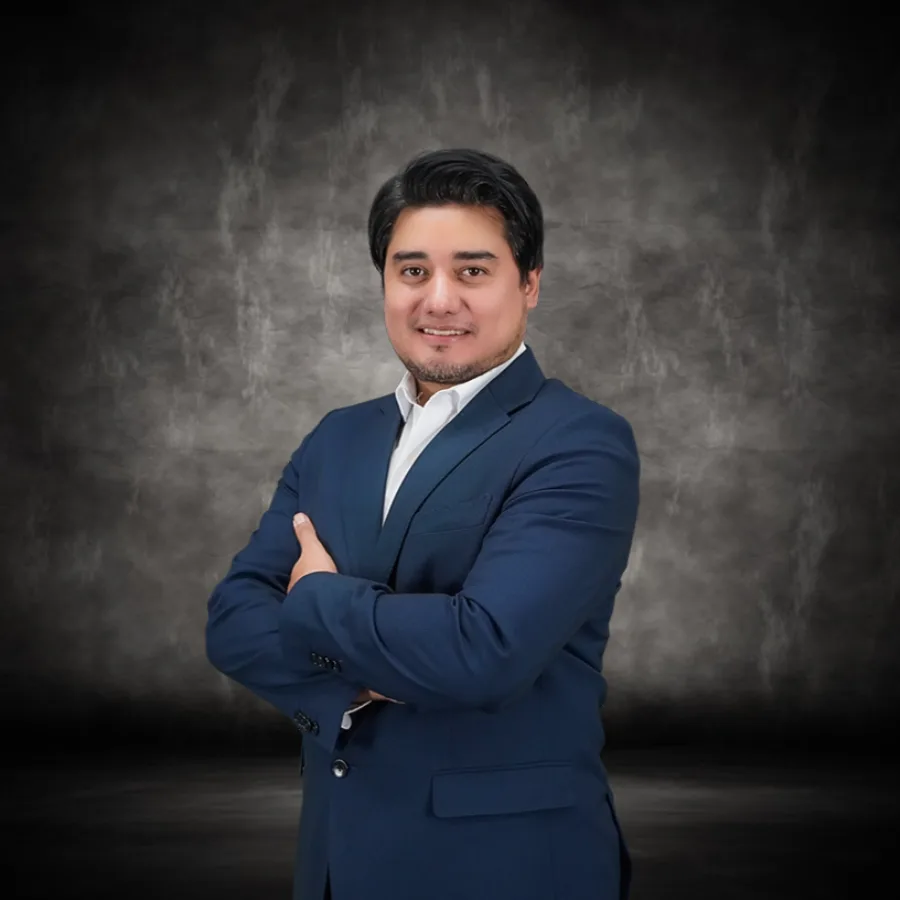
Blepharoplasty is an eyelid surgery that corrects excess skin, fat deposits, and periorbital sagging to rejuvenate your appearance. Dr. Alfredo Chama, a board-certified plastic surgeon (CMCPER No. 2607) in Tijuana, performs this procedure using transconjunctival or transcutaneous techniques based on each case. It is performed under local anesthesia with sedation in a hospital setting. Recovery takes 7 to 10 days with minimal swelling.
Facial surgery · Anchor
- CMCPER, Board Certification No. 2607
Verify his certification ↗
- Source
- CMCPER Directory (directoriocirugiaplastica.mx)
- Identifier
- CMCPER, Board Certification No. 2607
- Last verified
- Jul 29, 2026
- Verified in Motiva’s official surgeon locator
- Hospital setting · Certified hospital
- Bilingual care · ES / EN
What it is
A more rested look, with medical judgment
Blepharoplasty is eyelid surgery. Depending on your case, it can work on the upper eyelid, the lower eyelid, or both. It’s a procedure planned individually: the aesthetic goal and its scope are defined with you in your assessment, never beforehand.
Upper eyelid
Addresses excess skin — and in some cases fat — on the upper eyelid. It’s the most frequently indicated variant when that excess reaches the natural crease or the lash line.
Lower eyelid
Focuses on bags and loose skin under the eye. Almost always responds to an aesthetic goal: it softens a look that appears tired even with good rest.
Full
Combines upper and lower eyelid work in a single surgical plan, when both areas require it. Dr. Chama assesses whether it’s better to do it in one session or in stages.
The right variant isn’t chosen from a catalog: it depends on where the excess skin is, how your eyebrow behaves, your skin’s elasticity, and whether the goal is aesthetic, functional, or both. That’s exactly what gets reviewed in your assessment.
Functional vs. aesthetic
When the eyelid stops being just a matter of appearance
Most blepharoplasty consultations are aesthetic: a look that appears more tired than the person actually feels. But there’s a real medical angle almost no one explains: when the excess skin of the upper eyelid drops enough to cover part of the visual field — especially the upper periphery — it stops being just about appearance.
Some signs the component may be functional, not just aesthetic:
- Involuntarily raising your eyebrows during the day to “uncover” your view.
- Forehead fatigue by the end of the day, from the constant effort of lifting the eyelid.
- Difficulty seeing sideways or upward without tilting your head.
- A sense that one eyelid “weighs” more than the other.
None of these signs is a diagnosis on its own: that’s confirmed in your assessment, checking the eyelid’s real position against the visual axis. The distinction matters because it changes the conversation — from “I want to look more rested” to “I need to recover visual field” — and both paths are equally legitimate.
Before deciding

What to expect in your assessment
The assessment is the mandatory step before any surgical plan: nothing gets quoted or scheduled without it. It’s a medical conversation, not a sales process.
What gets checked
- Position of the upper and lower eyelid, and of the eyebrow.
- Amount and elasticity of excess skin.
- Whether there are fat pockets, and where.
- General medical and eye history.
- Whether the component looks functional, aesthetic, or both.
What you’ll be asked
- What specifically bothers you about your look.
- Whether you wear contact lenses or have dry eye.
- Medications, allergies, and previous surgeries in the area.
- Whether you’re coming from outside Tijuana, to plan travel timing.
From there comes the plan: which variant, what scope, and a personalized quote — never a generic price. If you’d like the full context first, learn about Dr. Chama’s background and certification.
How it’s performed
In a hospital setting
It’s generally performed with local anesthesia and sedation, at a certified hospital. The details of the procedure are explained in your consultation, based on your specific plan. We don’t show images of the procedure itself: the information here is educational.
Recovery
Consultation
Virtual or in-person assessment of your case
Preparation
Personalized plan, labs, and pre-op instructions
Procedure
Hospital setting, board-certified team
Recovery
Follow-up in person or remotely from the U.S.

Progressive and in stages
Your look doesn’t “finish” recovering overnight: it advances in stages, and exact timing changes by patient. This is the general pattern, not a calendar promise:
- First days. Swelling and some bruising around the eye are normal. Local cold and relative rest help it go down faster.
- First and second week. Swelling notably subsides. The medical team assesses, case by case, when to remove stitches if the approach included them.
- Following weeks. The result keeps settling progressively; returning to screens, exercise, or driving resumes gradually under medical guidance, not on a fixed calendar.
In your assessment you receive concrete instructions for your case and postoperative follow-up, in person or remote if you’re coming from the United States.
Dr. Chama discusses every risk, complication rate, and realistic expectation in your assessment — before you decide. A medical site that only shows results and skips the risks is not giving you complete information.
With honesty
Risks and considerations
The risk that most surprises people looking for a purely aesthetic change is dry eye or light sensitivity in the immediate postoperative period — it’s not the only one, but it’s the least anticipated. That blepharoplasty is a frequent procedure doesn’t make it a minor one. Among the other considerations explained in your assessment:
- Swelling, bruising, and temporary sensitivity — duration varies by patient.
- Risk of infection or bleeding, as with any surgery.
- Scarring: in trained hands it’s usually concealed in the eyelid’s natural crease, but how each person’s skin scars can’t be promised in advance.
- Temporary asymmetry while swelling on each side goes down at its own pace.
- Dry eye or increased light sensitivity in the immediate postoperative period.
- The result depends on each patient’s anatomy — no two cases are identical.
This list doesn’t replace your assessment with Dr. Chama: it’s here so you arrive with better questions, not so you decide on your own whether your case applies. If any of this left you with questions, message us before your appointment.
Frequently asked questions
Related Procedures




What patients ask us most
How much does blepharoplasty cost?
The price is defined in your assessment, based on your case (upper eyelid, lower eyelid, or both). We prefer to give you a personalized quote rather than a generic price. Message us on WhatsApp and we’ll guide you.
What is blepharoplasty?
It’s eyelid surgery. It can work on the upper eyelid, the lower eyelid, or both. Dr. Chama defines the aesthetic goal with you in your assessment, based on your anatomy.
How do I know if it’s right for me?
That’s determined in a medical assessment. Dr. Chama reviews your case and explains options, scope, and limits before any decision.
What’s the difference between upper and lower blepharoplasty?
Upper blepharoplasty addresses excess skin — and in some cases fat — on the upper eyelid; it’s usually indicated when that excess covers the natural crease or the lash line. Lower blepharoplasty focuses on bags and loose skin under the eye, almost always for an aesthetic reason. Which one you need, or whether you need both, is defined in your assessment.
When is blepharoplasty functional rather than purely aesthetic?
When the excess skin of the upper eyelid drops enough to cover part of your visual field, especially the upper periphery. Raising your eyebrows to see better, or feeling fatigue in your forehead by the end of the day, can be signs. It’s confirmed by checking the eyelid’s position relative to the visual axis, in your assessment.
What gets checked in the assessment?
The position of the eyelid and eyebrow, the amount and elasticity of excess skin, whether there are fat pockets, your medical and eye history, and whether the component looks aesthetic, functional, or both. That’s where the plan and personalized quote come from.
How is it performed?
Generally under local anesthesia with sedation, in a hospital setting (certified hospital). The details are explained in consultation based on your specific procedure.
What is recovery like?
It progresses in stages: swelling and some bruising the first few days, which notably subsides toward the first and second week; the result keeps settling over the following weeks. Exact timing varies by patient; in your assessment you get concrete instructions.
What are the risks of blepharoplasty?
As with any surgery: swelling, bruising, risk of infection or bleeding, temporary asymmetry while swelling goes down on each side, and occasionally dry eye or light sensitivity in the immediate postoperative period. These are explained in detail, for your case, in your assessment.
Does it leave a visible scar?
In trained hands, the incision is usually placed in the eyelid’s natural crease, which helps conceal it. How each person’s skin scars varies by patient and isn’t something that can be promised in advance.
At what age is it recommended?
There’s no fixed age: it depends on how much excess skin or fat you have and whether the goal is aesthetic, functional, or both. It’s evaluated case by case in your assessment.
Do men get it too?
Yes. Excess skin or under-eye bags don’t discriminate by gender; the plan is adjusted to the patient’s anatomy, not to a template.
I’m coming from the U.S. — how does it work?
If you’re coming from the United States, the initial assessment can be virtual, in Spanish or English. Surgery and the first check-up do require you to be in Tijuana; follow-up afterward, if your recovery is going well, can continue remotely without another trip.
Why choose Dr. Chama?
A board-certified plastic surgeon, verified in Motiva’s official surgeon locator, who operates in a hospital setting and provides bilingual follow-up.
Schedule your virtual consultation
Your quote is personalized. Message us and we’ll guide you, no commitment.
WhatsApp +52 664 585 1602Consultation
Schedule your consultation
Direct attention from Dr. Alfredo Chama's team, board-certified plastic surgeon in Tijuana. Message us or call to schedule your appointment.
or if you prefer, directly:
Your Care Continues After Surgery
- Follow-up appointments with Dr. Chama
- Conveniently located near the San Ysidro border crossing
- Direct line for any post-op questions: +52 664 585 1602
- Detailed recovery guide before you travel home
Your safety and recovery are Dr. Chama's priority — before, during, and after your procedure.
Last updated: September 13, 2026
Plastic Surgery in Tijuana for U.S. Patients
Tijuana is Mexico's leading border city for medical tourism, located just across the San Diego border. Dr. Alfredo Chama serves patients from California, Arizona, Nevada, Texas, and across the United States with:
- Pre-surgical virtual consultation in English and Spanish
- Border logistics coordination — transportation from the crossing, hotel recommendations near the clinic
- Post-operative follow-up via telemedicine for patients returning home
- Board-certified surgeon (CMCPER No. 2607) operating in an accredited hospital setting
The clinic is located at Plaza Península on Vía Rápida Oriente, with direct access from the international border. Many patients from San Diego, Los Angeles, Phoenix, and Las Vegas choose Tijuana for board-certified plastic surgery with personalized bilingual care.