Mommy Makeover in Tijuana
A combined abdomen-and-breast surgical plan, adapted to the body after pregnancy and breastfeeding, with a board-certified plastic surgeon in a hospital setting and bilingual care.

A mommy makeover is a customized combination of surgeries to restore body contour after pregnancy and breastfeeding. Dr. Alfredo Chama, a board-certified plastic surgeon (CMCPER No. 2607) in Tijuana, typically combines abdominoplasty, liposuction, and breast augmentation or lift in a single surgical session. It is performed under general anesthesia in a hospital setting. Full recovery takes 4 to 6 weeks.
Body surgery · Post-maternity
- CMCPER, Board Certification No. 2607
Verify his certification ↗
- Source
- CMCPER Directory (directoriocirugiaplastica.mx)
- Identifier
- CMCPER, Board Certification No. 2607
- Last verified
- Jul 29, 2026
- Verified in Motiva’s official surgeon locator
- Hospital setting · Certified hospital
- Bilingual care · ES / EN
Why Tijuana
Board-certified plastic surgery, a border crossing away
For many patients from the United States, Tijuana is the closest option for a mommy makeover with a board-certified plastic surgeon in a hospital setting — without the wait lists or the costs of an office in the United States. Being close to the United States makes a virtual assessment from home possible, followed by a single, well-planned visit for surgery and initial follow-up.
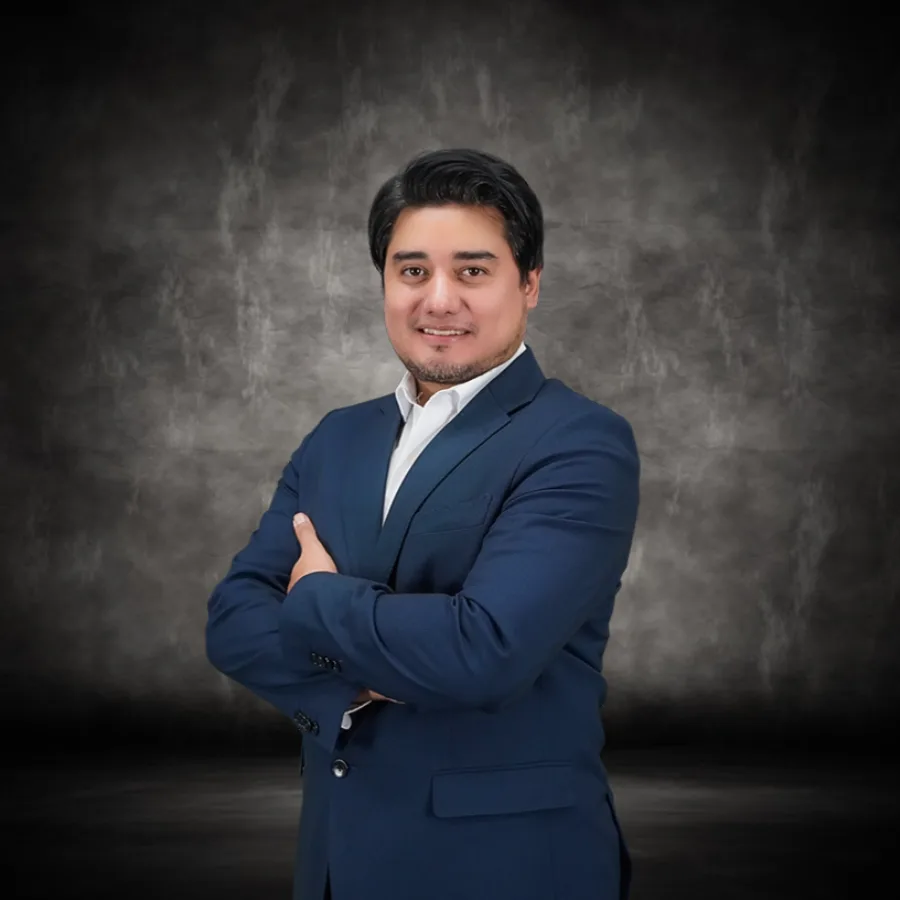
That doesn’t mean improvising. Dr. Chama operates at a certified hospital, in Plaza Península, with the same hospital-safety standard you’d expect for any combined major surgery: anesthesiologist, a certified operating room, and a follow-up protocol — not an office adapted for surgery. We treat patients in Spanish and English, and coordinate every step with you, from the first virtual consultation to remote follow-up once you’re back home.
This procedure is for patients from Tijuana, Rosarito, and Tecate, and for those crossing from the United States. Also learn about Dr. Chama’s background and certification before your assessment.
The procedure
A combination, not a fixed formula
“Mommy makeover” doesn’t describe a single surgery: it’s the common name for a plan that combines, depending on your case, an abdominoplasty with a breast procedure, designed specifically for the changes left by pregnancy and breastfeeding — abdominal skin that doesn’t respond to diet or exercise, possible muscle diastasis, and a breast that lost volume or firmness. Neither component is optional “by default”: which one applies to your body is decided in your assessment.
Abdomen
Abdominoplasty: removes the excess skin left by pregnancy and, when the case requires it, repairs diastasis (separated abdominal muscles) that diet and exercise don’t correct on their own.
Breast
A breast procedure adapted to the sagging (ptosis) and volume change left by breastfeeding: a lift, with or without an implant, based on what you decide with Dr. Chama in your assessment.
Add-ons
Some plans add liposuction in specific areas (waist, flanks) when the anatomy justifies it. A component is never added just to complete a package.
Just as important is what it is not: it’s not a weight-loss method, it doesn’t replace diet or exercise, and it’s not a fixed-price package sold the same way to every patient. It’s major body-contouring surgery, planned component by component.
Dr. Chama’s approach

Individual evaluation before a standard combination
Dr. Chama doesn’t start from a predefined package. In your assessment he reviews your skin, your abdominal musculature, your obstetric and breastfeeding history, and your breast’s current state, to build with you which components you need — and just as clearly, which ones you don’t. The decision to combine procedures in a single surgical session or split them into stages is made with your safety in mind, not the convenience of a single appointment.
Hospital-level safety
Certified Hospital Setting
A combined abdomen-and-breast surgery is major surgery: operating-room time and general anesthesia add up across components. That’s why it’s performed at a certified hospital, in Plaza Península — a certified hospital setting, not an adapted office — with close postoperative follow-up from day one.
Trip logistics

Planned from the U.S., carried out in Tijuana
Tijuana sits right across the border from San Diego, which makes it possible to handle most of the process — initial assessment, answering questions, reviewing your history — through a virtual consultation before you travel. Actual border-crossing time varies by day and hour (ports of entry like San Ysidro or Otay Mesa have irregular traffic); that’s why your travel itinerary is planned with you in your assessment, not with a generic number.
Because it’s combined surgery, the stay is usually longer than for a single procedure: time is needed for surgery, initial hospital rest, and a first check-up before heading back. Those days are planned at certified facilities with clear instructions for the trip home. If you have logistics questions — where to stay, how much time to request off work, how to plan the crossing back — resolve them with us on WhatsApp before booking your date.
Consultation
Virtual or in-person assessment of your case
Preparation
Personalized plan, labs, and pre-op instructions
Procedure
Hospital setting, board-certified team
Recovery
Follow-up in person or remotely from the U.S.
Recovery
Two areas recovering at once, in stages
Combining abdomen and breast means both areas recover in parallel, not that the time for each doubles. Exact timing varies by patient and by which components your plan included — this is the general pattern, not a calendar promise:
- First days. Active rest with guided mobility, compression garments on the abdomen and, if applicable, the breast. Swelling, sensitivity, and some bruising in both areas is normal.
- First weeks. Swelling notably subsides; the medical team assesses, case by case, when to remove stitches and when to reintroduce light activity.
- Following months. The result keeps settling progressively in both areas; exercise, lifting weight, and full activity resume gradually under medical guidance.
In your assessment you receive concrete instructions for your specific combination of procedures, with in-person follow-up in Tijuana and, afterward, remote if you live in the United States.
Dr. Chama discusses every risk, complication rate, and realistic expectation in your assessment — before you decide. A medical site that only shows results and skips the risks is not giving you complete information.
With honesty
Risks of a combined surgery
By adding procedures, each one’s risks are explained independently and also together: more general-anesthesia time, and with it, more demand on your body. Among the considerations explained in your assessment:
- Infection, bleeding, or seroma, as with any major surgery.
- Variable scarring — each component’s scar is permanent, though it’s planned to stay discreet.
- Temporary, or in some cases persistent, asymmetry between both sides of the abdomen or breast.
- Sensation changes in abdominal skin or the nipple, which usually improve over time but don’t always fully disappear.
- Longer accumulated recovery time when combining two areas compared to a single procedure.
- The result depends on your anatomy and how your body responds — no two cases are identical.
None of this replaces the conversation with Dr. Chama: it’s information so you arrive at your assessment with better questions. If any of this raised concerns, message us and we’ll resolve them before your appointment.
Frequently asked questions
Related Procedures




What patients ask us most about the mommy makeover
How much does a mommy makeover cost?
The price is defined in your assessment, based on which combination of procedures your case needs (abdomen, breast, or both, and their variants). We prefer to give you a personalized quote rather than a generic package price. Message us on WhatsApp and we’ll guide you.
What exactly is a mommy makeover?
It’s not a single procedure: it’s a combined surgical plan, designed for the body after pregnancy and breastfeeding, that almost always integrates an abdominoplasty with a breast procedure (a lift, with or without an implant). Which combination of techniques applies to your case is decided in your assessment, never beforehand.
What procedures does it normally include?
In most cases it combines abdominoplasty — for excess skin and, when applicable, repair of abdominal diastasis — with a breast procedure that corrects sagging (ptosis) and, if you decide together with Dr. Chama, restores volume. Some plans add liposuction in specific areas. There’s no fixed formula: it’s built around your anatomy, not the other way around.
Is it the same plan for every patient?
No. Every pregnancy leaves different changes in skin, abdominal muscle, and breast tissue. Dr. Chama assesses your case individually and explains which components you need, which don’t apply, and why — a generic, catalog mommy makeover doesn’t exist at a serious practice.
When is the right time after pregnancy?
As a general guideline, it’s recommended to wait until breastfeeding is fully finished and your weight has been stable for several months, so the result is predictable and not disrupted by another hormonal or weight change. The exact timing for your case is confirmed in your assessment, not by a fixed date on a calendar.
Do I need to be at my ideal weight before surgery?
You need to be at a stable weight, not necessarily a specific number. A weight that’s still actively rising or falling complicates planning and the result. Stability is what’s evaluated in your assessment, along with your general health.
I’m planning to have more children — can I get a mommy makeover?
If you have pending pregnancy plans, it’s best to wait: a later pregnancy can alter the result of both the abdominoplasty and the breast component. Dr. Chama is direct about this in your assessment, even if it means postponing the date.
Is everything done in a single surgery?
It depends on your anatomy, your health, and medical judgment. Some plans combine abdomen and breast in a single surgical session; others are split into surgical stages when that’s safer for you. That decision is made in your assessment, not for scheduling convenience.
How is it performed?
Generally under general anesthesia, in a hospital setting (certified hospital). Which techniques are combined and in what order is defined in your consultation, based on your specific plan. We don’t show images of the procedure: the information here is educational.
What is recovery like?
It’s real recovery from major combined surgery, not from a single minor procedure. The first days call for active rest and compression garments for the abdomen and, if applicable, the breast; activity is reintroduced progressively over the following weeks. Timing varies by patient and by which components your plan included; in your assessment you receive concrete instructions.
What are the risks?
Combining procedures adds up the risks of each: infection, variable scarring, seroma, asymmetry, sensation changes, and, in the breast component, variations in nipple position or symmetry between both sides. Dr. Chama explains them in detail in your assessment, along with what’s done to reduce them.
Does it leave scars?
Yes, in both components; they’re permanent. Their placement and extent are planned to be as discreet as possible within underwear or swimwear, but they don’t disappear. How each person’s skin scars varies by patient and can’t be promised in advance.
I’m coming from the U.S. — how does it work?
Because this is combined surgery, we coordinate your initial assessment through a bilingual video call and plan your travel timing more carefully: your stay in Tijuana is usually longer than for a single procedure, to cover both components and the first check-up. Follow-up afterward continues remotely.
Why choose Dr. Chama?
A board-certified plastic surgeon, verified in Motiva’s official surgeon locator, who operates in a hospital setting and plans each mommy-makeover component individually — no default combinations, no package promises.
Schedule your virtual consultation
Your quote is personalized. Message us and we’ll guide you, no commitment.
WhatsApp +52 664 585 1602Consultation
Schedule your consultation
Direct attention from Dr. Alfredo Chama's team, board-certified plastic surgeon in Tijuana. Message us or call to schedule your appointment.
or if you prefer, directly:
Your Care Continues After Surgery
- Follow-up appointments with Dr. Chama
- Conveniently located near the San Ysidro border crossing
- Direct line for any post-op questions: +52 664 585 1602
- Detailed recovery guide before you travel home
Your safety and recovery are Dr. Chama's priority — before, during, and after your procedure.
Last updated: September 19, 2026
Plastic Surgery in Tijuana for U.S. Patients
Tijuana is Mexico's leading border city for medical tourism, located just across the San Diego border. Dr. Alfredo Chama serves patients from California, Arizona, Nevada, Texas, and across the United States with:
- Pre-surgical virtual consultation in English and Spanish
- Border logistics coordination — transportation from the crossing, hotel recommendations near the clinic
- Post-operative follow-up via telemedicine for patients returning home
- Board-certified surgeon (CMCPER No. 2607) operating in an accredited hospital setting
The clinic is located at Plaza Península on Vía Rápida Oriente, with direct access from the international border. Many patients from San Diego, Los Angeles, Phoenix, and Las Vegas choose Tijuana for board-certified plastic surgery with personalized bilingual care.