
Brazilian Butt Lift (BBL) in Tijuana
Fat transfer to the gluteal area using exclusively subcutaneous injection — the safety standard formalized by ASPS, ASAPS, and ISAPS in their 2022 joint Practice Advisory. Performed by a Mexican Council-certified plastic surgeon in a hospital setting, with an individual medical assessment.

Body contouring · Surgery
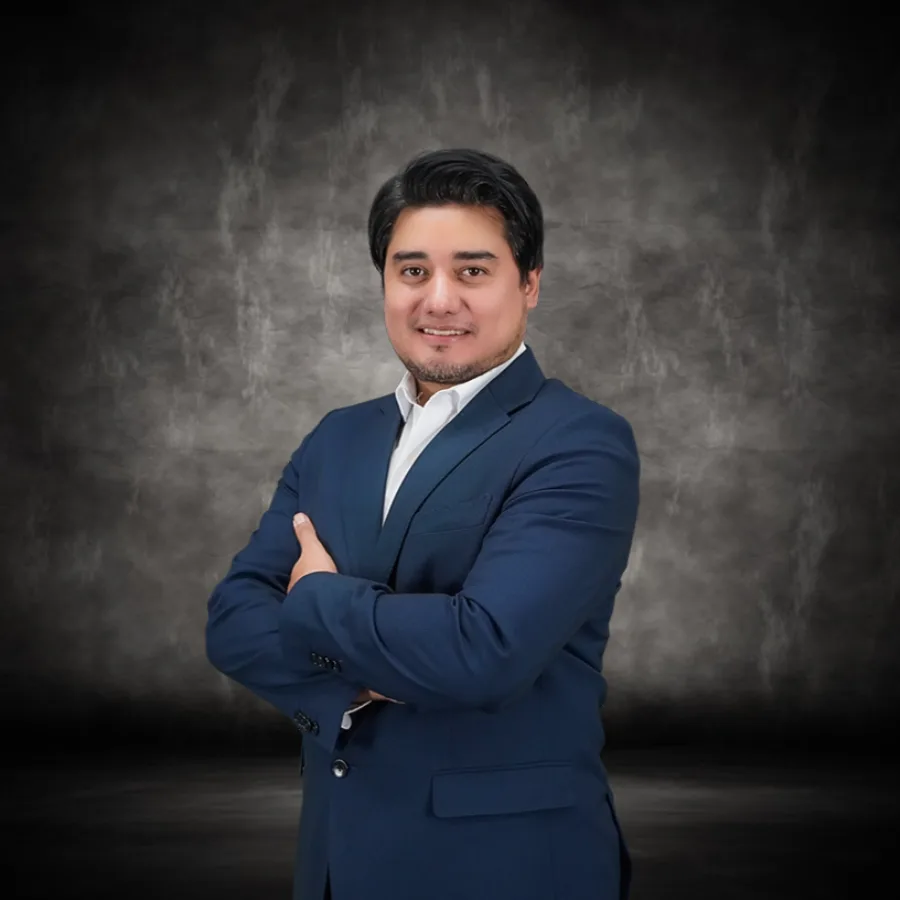
- CMCPER, Mexican Council certification No. 2607
Verify his certification ↗
- Source
- CMCPER Directory (directoriocirugiaplastica.mx)
- Identifier
- CMCPER, Mexican Council certification No. 2607
- Last verified
- Jul 29, 2026
- Verified in Motiva’s official surgeon locator
- Hospital setting
- Bilingual care · ES / EN
What it is — and what it isn’t
Your own fat, transferred to your gluteal area
A Brazilian Butt Lift (BBL) is a two-stage body-contouring surgery. First, liposuction removes fat from donor areas — typically the abdomen, flanks, or back. Then that fat is purified and transferred to the gluteal region to improve shape, projection, and proportion. The result is contour enhancement using your own tissue, not implants.
What it isn’t: a BBL is not a weight-loss procedure, and it’s not a substitute for exercise. The best candidates are already near their stable weight and have enough donor fat for a meaningful transfer. If your primary goal is losing weight, that conversation — and the possibility of other options — is part of your assessment, not assumed beforehand.
It’s also not the same as butt implants. Fat transfer produces a more natural look and feel because it uses your own tissue, and the liposuction component simultaneously refines the donor areas. The trade-off: your body naturally reabsorbs 20–40% of the transferred fat in the first 3–6 months. What survives with established blood supply is considered permanent. Implants offer more predictable volume but come with their own risks — displacement, capsular contracture, and a less natural result.
The BBL is frequently combined with Lipo 360 — liposuction of the full midsection (abdomen, flanks, and back) — to maximize donor fat and create a proportional contour from every angle. Whether that combination applies to your case is determined in your assessment, based on your anatomy and your surgical safety limits.
Safety
Is a BBL safe? — the question that matters most
We’re not going to skip this. The BBL was, historically, the cosmetic procedure with the highest reported mortality rate. Denying that would undermine the very credibility this page exists to build. What changed — and what makes the difference between a safe BBL and a dangerous one — is the technique.
The variable that predicts risk is not geography — it’s the plane of injection. The documented cause of death in BBL cases is fat embolism: fat injected into or below the gluteal muscle enters large blood vessels and travels to the lungs. This happens when fat is deposited in the intramuscular or submuscular plane.
In April 2022, ASPS (American Society of Plastic Surgeons), ASAPS (American Society for Aesthetic Plastic Surgery), and ISAPS (International Society of Aesthetic Plastic Surgery) published a joint Practice Advisory on Gluteal Fat Grafting that formalized subcutaneous injection — never intramuscular, never submuscular — as the standard of care. The technique keeps the cannula away from the large vessels that run inside and beneath the gluteal muscle.
In 2018, ASPS reported a mortality rate as high as 1 in 3,000 (source). A 2020 ASERF survey brought it down to 1 in 14,952. By 2024, a study of 12,800 procedures where 96% of surgeons used exclusively subcutaneous injection reported zero deaths. Current projections model the rate at 1 in 25,000–35,000 (Aesthetic Surgery Journal). The technique — not the country — was the variable.
What this means for your case: Dr. Chama uses subcutaneous fat grafting exclusively, in a hospital setting with a surgical team. The technique, the environment, and the surgeon’s specialty certification are the three variables that the literature identifies as protective — and all three are verifiable before you decide.
The 2015 study that originally raised the alarm (Cárdenas-Camarena et al., Plastic and Reconstructive Surgery) identified the cause explicitly: intramuscular injection in non-accredited settings. The study was led by a Mexican surgeon — evidence that the Mexican medical community leads the safety research on this procedure, not that it hides the risk.

Ideal candidate
When it applies
- Stable weight, near your personal goal — not as a starting point for weight loss.
- Enough donor fat in areas like the abdomen, flanks, or back for a meaningful transfer (evaluated in consultation).
- BMI generally in the 21–32 range, though distribution of fat matters more than the number alone.
- Good general health, without conditions that elevate surgical risk.
- Skin with enough elasticity in both donor and recipient areas.
- Realistic expectations: the BBL reshapes proportion, it doesn’t create a specific size.
- Willingness to follow post-op restrictions, including not sitting directly on your glutes for the first weeks.
When it’s not appropriate
When it doesn’t apply
- You’re looking for a weight-loss treatment — a BBL is body contouring, not bariatric surgery.
- BMI above 35 — surgical risk increases significantly; most responsible practices set this as the upper limit.
- BMI below 18.5 — insufficient donor fat for a meaningful transfer.
- You have uncontrolled health conditions (cardiovascular, metabolic, or coagulation disorders).
- You’re pregnant or breastfeeding.
- You smoke actively and can’t stop before and after surgery — smoking impairs fat graft survival and recovery.
- You expect a specific cup-like size or exact number as a guaranteed result.
- You can’t commit to the post-op sitting and sleeping restrictions for 4–6 weeks.
How it’s performed

Two stages in one surgery
A BBL is performed in two stages during a single operation, under general anesthesia in a hospital setting.
Stage 1 — Liposuction: fat is harvested from donor areas (commonly abdomen, flanks, back, or thighs) using tumescent liposuction. The amount and location depend on your anatomy and the surgical plan defined in your assessment. This stage also contours the donor areas, which is why BBL patients often see improvement in their midsection as well — it’s not just about the glutes.
Stage 2 — Fat transfer: the harvested fat is purified and then injected into the gluteal area in the subcutaneous plane exclusively — above the muscle, never into or below it. This is the technique formalized in the 2022 ASPS/ASAPS/ISAPS Practice Advisory as the standard of care, because it avoids the large blood vessels that run inside the gluteal muscle.
The fat is deposited in small amounts across multiple layers to maximize graft survival and achieve a smooth, natural result. Not all of the transferred fat will survive: your body naturally reabsorbs 20–40% in the first 3–6 months. What remains with established blood supply becomes a permanent part of your tissue.
We don’t show images of the procedure itself — the information here is educational, not graphic. The surgical plan, type of anesthesia, and estimated duration are defined in your in-person assessment.
Recovery
Consultation
Virtual or in-person assessment of your case
Preparation
Personalized plan, labs, and pre-op instructions
Procedure
Hospital setting, Mexican Council-certified surgeon
Recovery
Follow-up in person or remotely from the U.S.
Week by week, with support
Week 1: The most restrictive phase. No sitting directly on your glutes — you’ll use a BBL pillow or lie on your stomach. Swelling and bruising are at their peak. The transferred fat has not yet established blood supply, so pressure on the gluteal area can compromise graft survival. Walking is encouraged to promote circulation.
Weeks 2–4: Gradual return to light activity. You can sit for short periods using a BBL pillow. Most patients return to non-physical work during week 2–3. The compression garment remains on, and follow-up visits monitor your progress.
Weeks 5–6: Pain is largely resolved. Sitting time with the pillow extends to 45–60 minutes. Light cardio (walking, swimming) is typically reintroduced.
Weeks 6–8: Transition to sitting normally without a pillow. Swelling continues to decrease. You’ll start seeing the shape take form, though the final contour isn’t visible yet.
Weeks 8–12+: Exercises that load the glutes directly (squats, lunges) are restricted until Dr. Chama authorizes them — typically not before 8–12 weeks.
Months 3–6: Final result becomes visible as swelling fully resolves and the surviving fat graft stabilizes. What remains is considered permanent.
Sleep: Face down for the first ~4 weeks. Alternative: on your back with a pillow under your thighs to keep pressure off the glutes.
Exact timing varies by patient. In your assessment you receive concrete instructions for your case, with follow-up in person or remote if you’re coming from the U.S.
In your consultation, Dr. Chama clearly explains the risks, the recovery, and what result to expect in your case, so you can decide with complete information.
Risks and considerations
Honesty first
The BBL carries the same general surgical risks as any body-contouring procedure: bleeding, infection, seroma (fluid accumulation), asymmetry, and anesthesia reaction. It also carries risks specific to fat transfer: fat necrosis (hardened lumps where transferred fat didn’t survive), uneven absorption leading to asymmetry, and the need for a possible revision.
The most serious historical risk — pulmonary fat embolism — is directly tied to the injection plane. When fat is injected into or below the gluteal muscle, it can enter large blood vessels and travel to the lungs. This is why the 2022 ASPS/ASAPS/ISAPS Practice Advisory formalized subcutaneous injection as the standard: it keeps the cannula above the muscle and away from those vessels. When the technique is followed, the mortality data drops dramatically (see the safety section above).
Other considerations: smoking impairs fat graft survival and wound recovery — you’ll be asked to stop well before and after surgery. Significant weight fluctuations after surgery will change the result, because the transferred fat cells respond to weight changes like any other fat in your body. And the 20–40% natural reabsorption in the first months means the result you see at 6 months is the stable one, not the result you see at 2 weeks.
If in your assessment Dr. Chama determines the procedure isn’t right for your case — for example, insufficient donor fat, BMI outside the safe range, or a health condition that elevates risk — that’s valuable information. We prefer to say so before surgery rather than operate without the correct medical judgment.
Results
Gallery under review
We don’t publish photographs of BBL results yet. We’ll publish only results shown well after the surgical event, with patient consent and intimate-area censoring. In the meantime, in your assessment you can review cases directly with Dr. Chama.
Frequently asked questions
What patients ask us most
Is a BBL safe?
The safety of a BBL depends primarily on the injection technique and the environment. When fat is injected exclusively in the subcutaneous plane (above the muscle) — the standard formalized in the 2022 ASPS/ASAPS/ISAPS Practice Advisory — the risk of the most serious complication (pulmonary fat embolism) drops dramatically. A 2024 study of 12,800 procedures where 96% of surgeons used subcutaneous injection reported zero deaths. Dr. Chama uses subcutaneous fat grafting exclusively, in a hospital setting.
How much does a BBL cost?
The price is defined in your assessment, based on the areas of liposuction, the volume of fat transfer, and your specific surgical plan. We prefer to give you a personalized quote rather than a generic price. Message us on WhatsApp and we’ll guide you.
What is the recovery timeline?
Week 1: most restrictive — no sitting on glutes, BBL pillow only. Weeks 2–4: gradual return to light activity, short sitting with pillow. Weeks 5–6: light cardio reintroduced. Weeks 6–8: transition to normal sitting. Weeks 8–12: glute exercises restricted until authorized. Months 3–6: final result visible as swelling resolves and surviving fat stabilizes.
How long do BBL results last?
Results are considered permanent once the transferred fat establishes blood supply (after the 3–6 month reabsorption phase). Your body naturally reabsorbs 20–40% of the transferred fat; what survives typically lasts 10+ years with stable weight. Weight fluctuations and natural aging will modify the result over time.
What BMI do I need?
The ideal range is generally BMI 21–32. Above 35, surgical risk increases significantly. Below 18.5, there’s usually insufficient donor fat. But BMI alone doesn’t determine candidacy — fat distribution, overall health, and available donor volume matter as much or more.
BBL vs butt implants — which is better?
Fat transfer produces a more natural look and feel using your own tissue, and the liposuction component simultaneously contours the donor areas. The trade-off: 20–40% reabsorption. Implants offer more predictable volume but carry their own risks (displacement, capsular contracture). The right choice depends on your anatomy and goals.
Why did people die from BBL?
The documented cause was pulmonary fat embolism — fat injected into or below the gluteal muscle entered large blood vessels. The 2015 Cárdenas-Camarena study identified intramuscular injection in non-accredited settings as the cause. The 2022 ASPS/ASAPS/ISAPS Practice Advisory formalized subcutaneous-only injection to eliminate this risk.
What is subcutaneous fat grafting?
It means depositing fat above the gluteal muscle, between the skin and the muscle — away from the large blood vessels implicated in fatal cases. It is the injection plane recommended by the 2022 joint Practice Advisory from ASPS, ASAPS, and ISAPS.
How do I sleep after a BBL?
Face down for the first ~4 weeks. Alternative: on your back with a pillow under your thighs. The goal is to protect the transferred fat while it establishes blood supply.
Can I sit after a BBL?
Not directly on your glutes for the first 2–3 weeks. After that, short periods with a BBL pillow (which shifts weight to your thighs). Normal sitting typically resumes around weeks 6–8.
Can a BBL be combined with other procedures?
Yes — the most common combination is BBL + Lipo 360 (full midsection liposuction). Some patients also combine with an abdominoplasty if there’s excess skin. See liposuction for more detail. Decisions are made in your assessment based on safety.
How much fat can be transferred?
The volume depends on how much donor fat is available and what’s safe for your case. There’s no fixed number — it’s determined in your assessment. More fat doesn’t necessarily mean a better result; what matters is graft survival.
I’m coming from the U.S. — how does it work?
We can answer initial questions through a bilingual virtual consultation. The assessment is in person in Tijuana. Post-op follow-up can be monitored remotely once you’re back home.
What are the risks?
General: bleeding, infection, seroma, asymmetry, anesthesia reaction. BBL-specific: fat necrosis, uneven absorption, possible revision. The most serious historical risk (pulmonary fat embolism) is tied to intramuscular injection — addressed by subcutaneous-only technique. All risks are reviewed in your assessment before any decision.
Why choose Dr. Chama?
A Mexican Council-certified plastic surgeon (CMCPER No. 2607), verified in Motiva’s official surgeon locator, who operates in a hospital setting using exclusively subcutaneous fat grafting — the technique standard from the 2022 ASPS/ASAPS/ISAPS Practice Advisory. Bilingual care and an honest framing of what surgery can and can’t achieve.


Related Procedures


Schedule your virtual consultation
Your quote is personalized. Message us and we’ll guide you, no commitment.
WhatsApp +52 664 585 1602Results may vary from person to person. Consult your specialist.
Consultation
Schedule your consultation
Direct attention from Dr. Alfredo Chama's team, Mexican Council-certified plastic surgeon in Tijuana. Message us or call to schedule your appointment.
or if you prefer, directly:
Your Care Continues After Surgery
- Follow-up appointments with Dr. Chama
- Conveniently located near the San Ysidro border crossing
- Direct line for any post-op questions: +52 664 585 1602
- Detailed recovery guide before you travel home
Your safety and recovery are Dr. Chama's priority — before, during, and after your procedure.
Last updated: October 9, 2026
Plastic Surgery in Tijuana for U.S. Patients
Tijuana is Mexico's leading border city for medical tourism, located just across the San Diego border. Dr. Alfredo Chama serves patients from California, Arizona, Nevada, Texas, and across the United States with:
- Pre-surgical virtual consultation in English and Spanish
- Border logistics coordination — transportation from the crossing, hotel recommendations near the clinic
- Post-operative follow-up via telemedicine for patients returning home
- Surgeon certified by the Mexican Council (CMCPER No. 2607) operating in a hospital setting
The clinic is located at Plaza Península on Vía Rápida Oriente, with direct access from the international border.