
HEUS in Tijuana: High-Energy Ultrasound
If you heard that an ultrasound can melt fat without surgery, this page exists to set the record straight. HEUS is real technology, but its role in this practice is different from what some generic advertising promises — and understanding that real role is what keeps you from deciding based on the wrong expectation.

HEUS (High-Energy Ultrasound Skin) es un tratamiento no invasivo de ultrasonido focalizado de alta energía que estimula la producción de colágeno para tensar la piel del rostro y cuello sin cirugía ni tiempo de inactividad. El Dr. Alfredo Chama, cirujano plástico certificado por el CMCPER (Nº 2607) en Tijuana, aplica esta tecnología como alternativa no quirúrgica al lifting facial. Sesión de 45 a 60 minutos. Resultados progresivos visibles entre 2 y 3 meses.
Technology · Surgical Add-On
- CMCPER, Board Certification No. 2607
Verify his certification ↗
- Source
- CMCPER Directory (directoriocirugiaplastica.mx)
- Identifier
- CMCPER, Board Certification No. 2607
- Last verified
- Jul 29, 2026
- Verified in Motiva’s official surgeon locator
- Hospital setting · Certified hospital
- Bilingual care · ES / EN
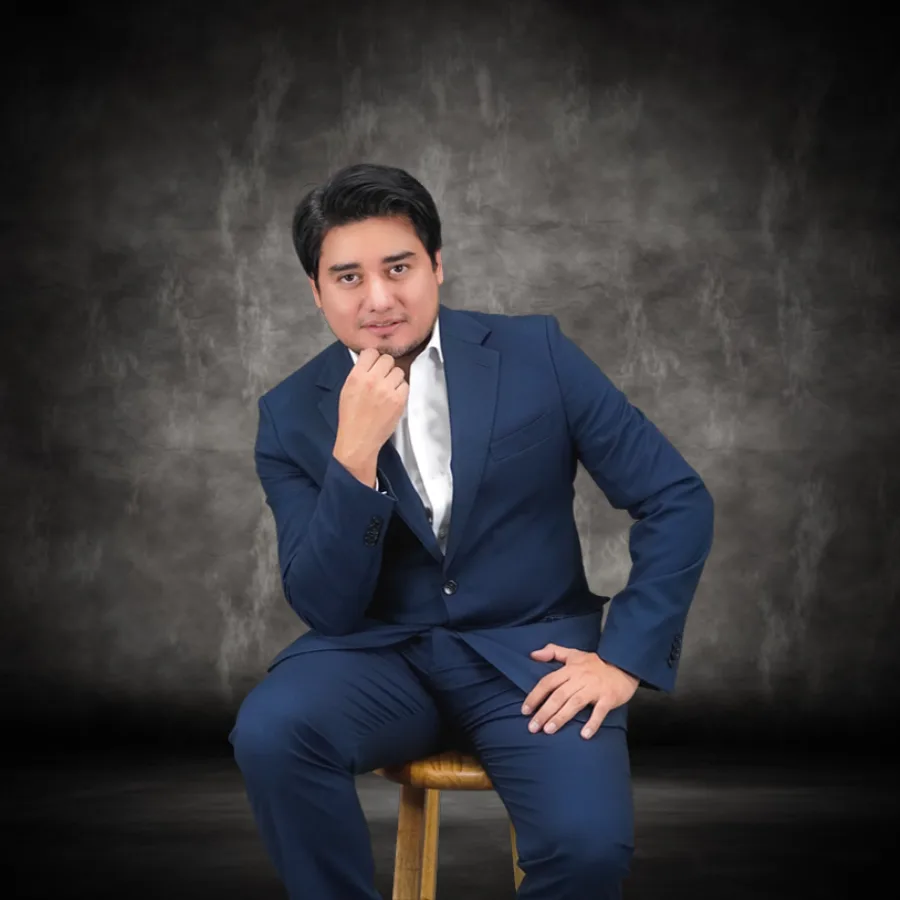
No image on this page depicts an actual patient or clinical result. Editorial images are used for illustration only, and no photo of the HEUS equipment or its intraoperative use is shown.

What it is
High-energy ultrasound — not a treatment that replaces surgery
HEUS stands for High Energy Ultrasound. It’s a technology that directs ultrasonic energy at fatty tissue with enough intensity to break down fat cell structure before it’s removed. In this practice it’s used exclusively as a tool inside a surgical liposculpture procedure — never as a standalone treatment.
It’s worth saying directly, because it’s the most common confusion: HEUS is not the non-invasive ultrasound device advertised in spas and aesthetic clinics as an alternative to traditional liposuction. They’re different technologies, with different energies, different indications, and different results. If your expectation is avoiding the operating room entirely, this technology doesn’t answer that expectation — and telling you otherwise wouldn’t be accurate about what it actually does.
What it is: a technological add-on that’s integrated into the surgical plan when the surgeon determines it offers a specific advantage for your case. It’s used during surgery, in the same surgical session as the liposculpture — not in separate sessions or as an office procedure.
How it works
What HEUS does during liposculpture
Within the procedure, HEUS is applied before the aspiration phase. The ultrasonic energy emulsifies the fat — it transforms it from a more solid tissue into a more liquid consistency, which makes it easier to remove with the cannula in a more controlled way and with less mechanical effort on the surrounding tissue.
That selectivity is the technical argument for using it: ultrasonic energy acts more specifically on fatty tissue than on other nearby structures, such as blood vessels, nerves, and the fiber network that supports the skin. That can translate into more careful handling of connective tissue in the areas where it’s applied — particularly relevant in areas with more fibrous fat, where traditional aspiration alone requires more passes.
It’s important not to overpromise here: a degree of skin retraction is a reported effect in some cases, not an outcome that can be offered in advance. Each case responds differently, and your surgeon can’t promise that effect as part of the plan.
Where it stops
What HEUS doesn’t do, and doesn’t replace
HEUS doesn’t remove fat by itself. It emulsifies the tissue so that aspiration — the surgical part of the procedure — removes it afterward. Without that aspiration step, the emulsified fat doesn’t leave the body. That’s why there’s no version of this service offered without the surgical procedure that goes with it.
It also doesn’t replace a complete liposculpture, and it doesn’t decide the contour result on its own. The result depends on the full surgical plan: which areas are worked on, how much fat is safely removed, and how the work is distributed across the different areas. HEUS is a tool within that plan, not the plan itself.
And it doesn’t correct loose skin or substitute for an abdominoplasty or a larger body-contouring procedure when the underlying problem is excess skin, not fat. If that’s your situation, our liposculpture page can help you understand which procedure fits which problem.
The decision
When it’s proposed as an add-on, and when it isn’t
HEUS is proposed as an add-on when there’s already an indication for liposculpture and the surgeon identifies, in your assessment, a specific advantage for your case: more fibrous fat, an area treated before, or zones where extra precision can help produce a more even result.
It isn’t offered as an independent service, and it isn’t recommended to someone looking to avoid surgery altogether. If your localized fat is a candidate for conventional liposuction without any of those additional considerations, your surgeon may determine the add-on doesn’t offer a clear benefit for your case — and in that scenario, it isn’t included just to include it.
Adding HEUS to the plan isn’t a patient preference or a catalog upgrade: it’s a clinical decision your surgeon makes based on what’s found in your assessment.
How it fits in
How it’s integrated into your surgical time
When the plan includes HEUS, it’s applied during the same surgical session as the liposculpture, in a hospital setting, under the type of anesthesia appropriate to the scope of the procedure. It doesn’t add an extra appointment or a separate procedure — it’s a step within the same surgery.
Your surgeon defines, during planning, which areas get ultrasonic energy and which are handled with conventional aspiration technique, based on fat consistency and the contour goal for each area. Not every area in the same plan necessarily gets the same approach.
We don’t show photographs of the HEUS equipment or its use during surgery. The purpose of this page is for you to understand how it fits into your surgical time before your assessment, not to substitute for your surgeon’s explanation.
Consultation
Virtual or in-person assessment of your case
Preparation
Personalized plan, labs, and pre-op instructions
Procedure
Hospital setting, board-certified team
Recovery
Follow-up in person or remotely from the U.S.
What to expect, by stage
Recovery is individual. When the plan includes HEUS, the general pattern closely follows a conventional liposculpture; real timelines vary by patient and by the scope of each plan, so read this as guidance, not a calendar.
First days. Swelling, bruising, and tenderness in the treated areas. A compression garment is indicated to help the skin adapt to the new contour.
First and second week. Swelling drops noticeably. Your medical team decides, case by case, when to remove any stitches if the approach included them.
Weeks three to six. Contour becomes clearer as residual swelling drops, though some firmness to the touch can persist while the tissue settles.
Following months. The result is fully appreciated over time, not in the first weeks, as the skin continues adapting to the new volume.
Dr. Chama discusses every risk, complication rate, and realistic expectation in your assessment — before you decide. A medical site that only shows results and skips the risks is not giving you complete information.
Risks and considerations
Honesty first
The general risks of liposculpture apply the same way when the plan includes HEUS. These are the considerations explained in detail in your assessment:
Burns or thermal damage to the skin or tissue if the energy isn’t managed with proper technique — one of the reasons this technology requires specific surgeon training.
Contour irregularities if the subsequent aspiration isn’t even, the same as in any liposculpture.
Numbness or altered sensation in the treated area, usually resolving within weeks to months.
Skin that isn’t as firm as hoped after the procedure if baseline elasticity was already compromised, independent of whether HEUS was used.
Seroma: fluid buildup under the skin, a documented complication of liposculpture in general that may require drainage.
Temporary asymmetry while swelling on each side resolves at its own pace, and risk of infection or bleeding, as with any surgical procedure.
Logistics for U.S. patients
Coming from the United States
If you’re coming from the United States, the early postoperative period is part of the surgery, not an extra, whether or not the plan included HEUS. It’s worth resolving before you schedule how long you’ll need to stay near Tijuana, how remote follow-up is coordinated once you’re back, and what support you’ll need in the first hours.
We see patients in Spanish and English and can start with a bilingual virtual consultation to review your case before you cross the border. From there, your visit and follow-up are coordinated. For the broader logistics of crossing and lodging, see our medical tourism guide.
Frequently asked questions
What patients ask us most
How much does adding HEUS to my liposculpture cost?
It’s defined in your assessment, because it depends on whether your plan actually benefits from the add-on and on the extent of the areas where it would be applied. We prefer to give you a personalized quote instead of a generic figure that wouldn’t match your case. Message us on WhatsApp and we’ll guide you.
Does HEUS melt fat without surgery?
No. It’s a common idea, but it doesn’t match how this technology works in this practice: HEUS is applied during a liposculpture surgery to emulsify fat before it’s removed with the aspiration technique. There’s no version of this service without the surgical procedure that goes with it.
Is this the same as the non-surgical ultrasounds advertised in spas or aesthetic clinics?
No. Non-invasive ultrasound devices used in aesthetic offices work with different energies, aim for surface-level effects, and don’t require surgery or anesthesia. HEUS is a tool used inside a surgical procedure, with a different energy and a different objective: supporting fat aspiration, not replacing it.
Do all liposculpture patients need HEUS?
No. It’s an add-on your surgeon proposes when your assessment shows a specific advantage for your case — more fibrous fat or an area treated before, for example — not a standard step of every liposculpture. Many plans are handled well with the conventional technique alone.
Does HEUS tighten the skin?
There can be some degree of skin retraction as a reported effect in some cases, but it isn’t an outcome that can be offered in advance, and it isn’t the add-on’s main objective. If loose skin, not fat, is your main concern, that’s a different conversation in your assessment, and a different procedure may be indicated.
Does it add time or risk to the surgery?
It adds surgical time in the areas where it’s applied, because it’s an additional step within the same procedure. In terms of risk, the general risks of liposculpture apply, plus the specific considerations of managing ultrasonic energy, which are explained in detail in your assessment.
How long is recovery if my plan includes HEUS?
Generally similar to a conventional liposculpture: noticeable swelling and bruising in the first weeks, with gradual improvement over the following months. Your specific timeline depends on the extent of the plan and how your skin recovers.
Can it be combined with other body-contouring procedures?
It’s common for it to be proposed as part of a broader plan. Whether combining it with another procedure makes sense depends on your anatomy and is defined with you in consultation.
I’m coming from the U.S. — how does this work?
We see patients in Spanish and English and can start with a virtual consultation to review your case before you cross. From there we coordinate your visit to Tijuana and the follow-up afterward.
Related Procedures



Schedule your virtual consultation
Your quote is personalized. Message us and we’ll guide you, no commitment.
WhatsApp +52 664 585 1602Consultation
Schedule your consultation
Direct attention from Dr. Alfredo Chama's team, board-certified plastic surgeon in Tijuana. Message us or call to schedule your appointment.
or if you prefer, directly:
Your Care Continues After Surgery
- Follow-up appointments with Dr. Chama
- Conveniently located near the San Ysidro border crossing
- Direct line for any post-op questions: +52 664 585 1602
- Detailed recovery guide before you travel home
Your safety and recovery are Dr. Chama's priority — before, during, and after your procedure.
Last updated: September 19, 2026
Plastic Surgery in Tijuana for U.S. Patients
Tijuana is Mexico's leading border city for medical tourism, located just across the San Diego border. Dr. Alfredo Chama serves patients from California, Arizona, Nevada, Texas, and across the United States with:
- Pre-surgical virtual consultation in English and Spanish
- Border logistics coordination — transportation from the crossing, hotel recommendations near the clinic
- Post-operative follow-up via telemedicine for patients returning home
- Board-certified surgeon (CMCPER No. 2607) operating in an accredited hospital setting
The clinic is located at Plaza Península on Vía Rápida Oriente, with direct access from the international border. Many patients from San Diego, Los Angeles, Phoenix, and Las Vegas choose Tijuana for board-certified plastic surgery with personalized bilingual care.