
Fleur-de-Lis Tummy Tuck in Tijuana, Mexico
Named for the shape of the incision, chosen for a reason: excess skin that runs across, not just down.

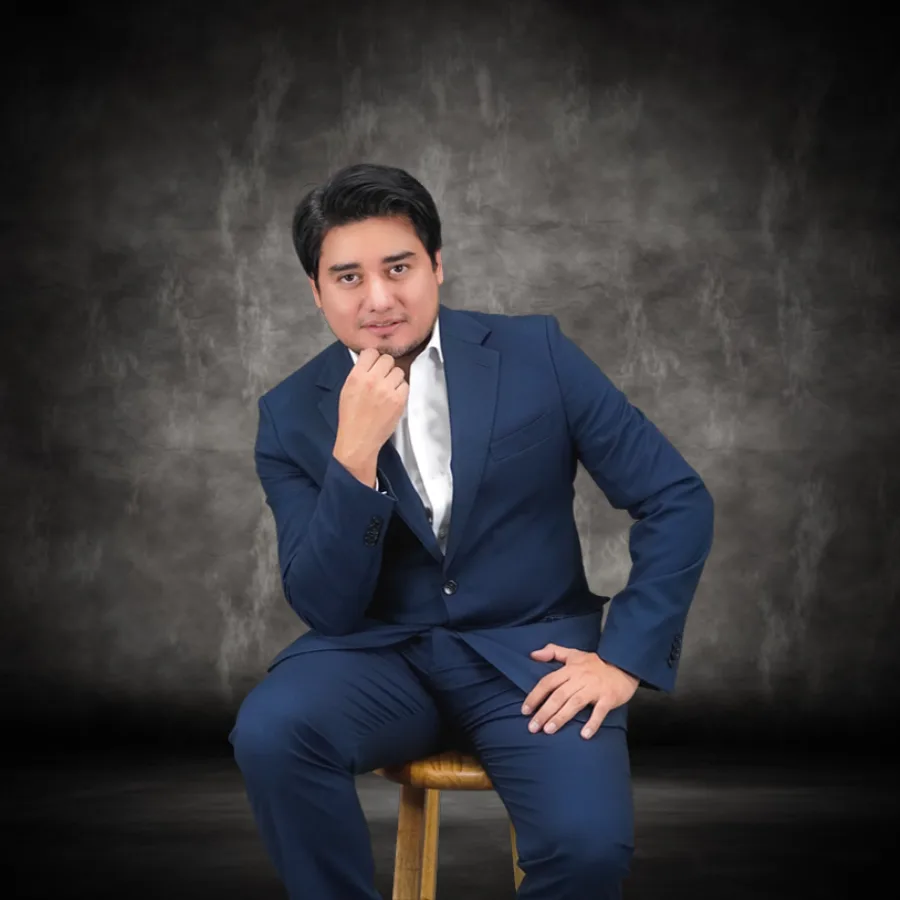
No image on this page depicts an actual patient or a surgical result. Editorial photography is used for illustration only.
Fleur-de-lis tummy tuck — also called a vertical abdominoplasty, or FDL tummy tuck for short — with Dr. Alfredo Chama, plastic surgeon board-certified by the Mexican Council of Plastic Surgery (CMCPER No. 2607), about 20 minutes from the San Ysidro border crossing.
What it’s for
What a fleur-de-lis tummy tuck is for, and what it isn’t
After major weight loss, abdominal skin does not always hang only downward: it can also be loose across, around the navel and in the upper abdomen. A standard tummy tuck, with its low horizontal incision, pulls the skin down and solves the vertical excess; the horizontal excess stays.
A fleur-de-lis tummy tuck adds a vertical component along the midline to that horizontal incision. Skin is removed in both directions — top to bottom and side to side — so the whole abdomen is treated, including the upper part. The name comes from the shape the two incisions draw together.
The trade-off is clear and worth stating first: there is more scarring, with a visible vertical line down the center of the abdomen. In the published experience, patients tolerate it well when they decided with full information. That is why this page starts there.
If you already know the name. Most patients who search for this operation have done their research, often after a bariatric program in the US, and want three things: a surgeon they can verify, an honest account of the scar, and a plan for doing it across the border. That is what this page is for. Treatment here is self-pay; this page makes no promise of insurance coverage or reimbursement.
Benefits
What it changes
- Treats the whole abdomen: upper and lower, not only the lower part.
- Corrects the horizontal excess: the skin that is loose across, which a transverse tummy tuck does not reach.
- Muscle repair when needed: separated abdominal muscles are repaired in the same operation.
- An honest plan for the scar: you know where it goes and why before you decide.
Candidacy
Who is typically a candidate, and who should wait
- ✓ Loose abdominal skin in both directions: downward and across, especially around the navel and in the upper abdomen.
- ✓ Stable weight. How long it should be stable is set by Dr. Chama at your consultation.
- ✓ Good general health, with no conditions that impair wound recovery.
- ✓ Non-smoker, or willing to stop before and after surgery.
- ✓ Realistic expectations: you accept a visible vertical scar in exchange for treating the excess a transverse tummy tuck cannot.
- ✓ Able to stay in Tijuana for the first nights and return for follow-up, in person or virtually.
Tummy tuck, fleur-de-lis or lower body lift:
| Tummy tuck | Fleur-de-lis | Lower body lift | |
|---|---|---|---|
| Where the skin excess is | Abdomen, top to bottom | Abdomen, top to bottom and also across | Abdomen + flanks + lower back + buttocks |
| Incision | Low horizontal | Low horizontal + vertical midline | Around the body |
| What else it treats | Muscle separation if needed | Upper abdomen and muscle separation if needed | Buttocks and outer thighs |
Consultation
Virtual or in-person assessment of your case
Preparation
Personalized plan, labs, and pre-op instructions
Procedure
Hospital setting, board-certified team
Recovery
Follow-up in person or remotely from the U.S.
How the process works, step by step
- Virtual consultation. Send photos from the front and sides plus a short weight history through WhatsApp; Dr. Chama tells you whether your case calls for a standard tummy tuck, a fleur-de-lis or a lower body lift.
- Plan. The vertical component is marked according to the real horizontal excess; whether muscle repair applies is defined; surgery date and travel dates fixed together.
- Surgery in Tijuana. In a certified hospital setting, usually under general anesthesia. Excess skin is removed in both directions, the abdominal wall is repaired if needed and a new opening is made for the navel. Drains depend on the case.
- First follow-up. Check-up before you travel home; drains, if used, removed on schedule; compression garment fitted; written care instructions.
- Cross-border follow-up. Virtual check-ins from California or wherever you live while the scars mature, with in-person visits when needed.
Your stay and follow-up (for patients crossing or flying in)
- Nights in Tijuana before driving or flying home: at least one night in Tijuana; Dr. Chama confirms the number for your case in your written plan
- Follow-up: WhatsApp or video check-ins; in-person visits are about 20 minutes from the border.
- Records: you can request a clinical summary of your case before you leave, so any physician back home can continue your care if needed.
- Optional package for out-of-town patients: recovery-house stay, ground transport airport → clinic → recovery house → airport, and a medical-lane pass for the border crossing. You can book the surgery alone or a package built around your case — ask on WhatsApp.
Dr. Chama discusses every risk, complication rate, and realistic expectation at your consultation — before you decide. A medical site that only shows results and omits risk is not giving you complete information.
Were you told a standard tummy tuck would not be enough? Schedule your virtual consultation. Message us on WhatsApp in English or Spanish; Dr. Chama reviews your case and explains which incision applies and why.
Frequently asked questions
What patients ask us most
Why is it called fleur-de-lis?
Because of the shape. The low horizontal incision of a tummy tuck is combined with a vertical incision down the midline of the abdomen; seen together they draw a figure similar to the heraldic fleur-de-lis. The name describes the incision pattern, not a different kind of surgery.
Who needs it instead of a standard tummy tuck?
Anyone with loose skin in both directions, not only downward. It is typical after major weight loss: the skin is loose around the navel and in the upper abdomen, and pulling down with a horizontal incision does not solve it. If the excess is only vertical, a standard tummy tuck is enough; the consultation decides.
What does the scar look like?
More scar than a standard tummy tuck: the low horizontal line, which underwear covers, plus a vertical line down the center of the abdomen that is visible. It matures and fades over time, but it does not go away. Dr. Chama shows you where it would go in your case before you decide.
Does it include muscle repair?
When it applies, yes. If the abdominal muscles are separated (diastasis), they are repaired in the same operation, as in a standard tummy tuck. If there is no separation, they are not touched. It is defined at consultation.
Is it riskier than a standard tummy tuck?
It is major surgery, with the risks of anesthesia, bleeding, blood clots, fluid collecting under the skin, infection, changes in sensation, poor wound recovery, widened scars and residual skin. In the published literature, major complications did not differ from a standard tummy tuck, but surgical-site infection was more frequent with the fleur-de-lis. Dr. Chama goes through this with you before you decide.
Are drains used?
It depends on the case. If they are placed, they are thin temporary tubes that remove fluid from under the skin in the first days; Dr. Chama tells you when they come out and how to care for them. It is written into your surgical plan.
What is recovery like?
Real and progressive. The first days call for active rest, a compression garment and walking early to lower the risk of clots. For days to weeks you avoid bending, straining and lifting; you may be asked not to stand fully upright at first so the sutures are not stressed. Dr. Chama sets your exact timeline based on how you recover.
How many nights in Tijuana, and what does the package include?
At least one night. Dr. Chama confirms the number based on the procedure and how you are recovering, and you have it in writing before you book travel. If you want the logistics handled, there is an optional package: recovery-house stay, ground transport airport → clinic → recovery house → airport, and a medical-lane pass for the border crossing. You can book the surgery alone or a package built around your case.
About the surgeon
Dr. Alfredo Chama Naranjo
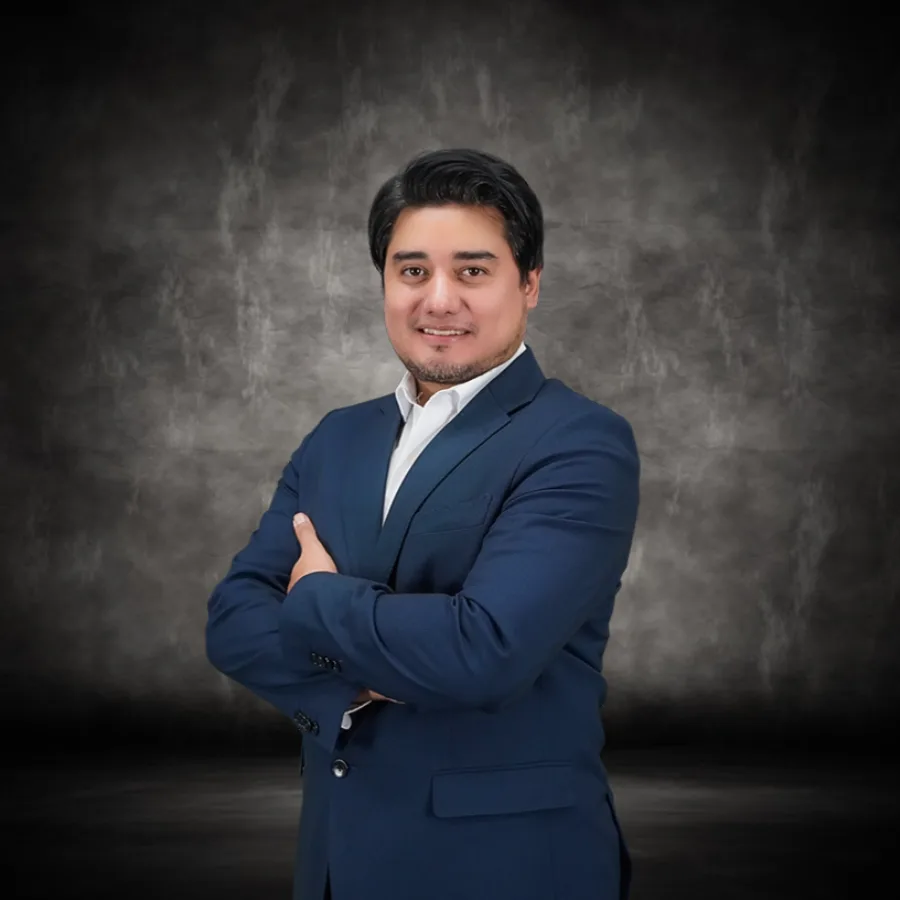
Dr. Alfredo Chama Naranjo — plastic, aesthetic and reconstructive surgeon in Tijuana, Mexico.
- Specialty professional license (Mexican Ministry of Education, SEP): 14854088 — plastic and reconstructive surgery, National Autonomous University of Mexico (UNAM), verifiable on the SEP public registry.
- Board certification by the Mexican Council of Plastic, Aesthetic and Reconstructive Surgery: CMCPER No. 2607, verifiable on the council’s website. The CMCPER is Mexico’s national board for plastic surgery — the counterpart of board certification in the United States.
- Operates in a certified hospital setting in Tijuana.
Last updated: 2026-09-21
Related Procedures



Schedule your virtual consultation
Your quote is personalized. Message us and we’ll guide you — in English or Spanish.
WhatsApp +52 664 585 1602*Schedule your virtual consultation with Dr. Chama.*
Consultation
Schedule your consultation
Direct attention from Dr. Alfredo Chama's team, board-certified plastic surgeon in Tijuana. Message us or call to schedule your appointment.
or if you prefer, directly:
Last updated: September 23, 2026