
Arm Lift (Brachioplasty) in Tijuana
Brachioplasty does change arm contour — in exchange for a permanent scar on the inner arm that’s visible in short sleeves. That trade-off is the central decision of this surgery, worth understanding before scheduling a consultation.

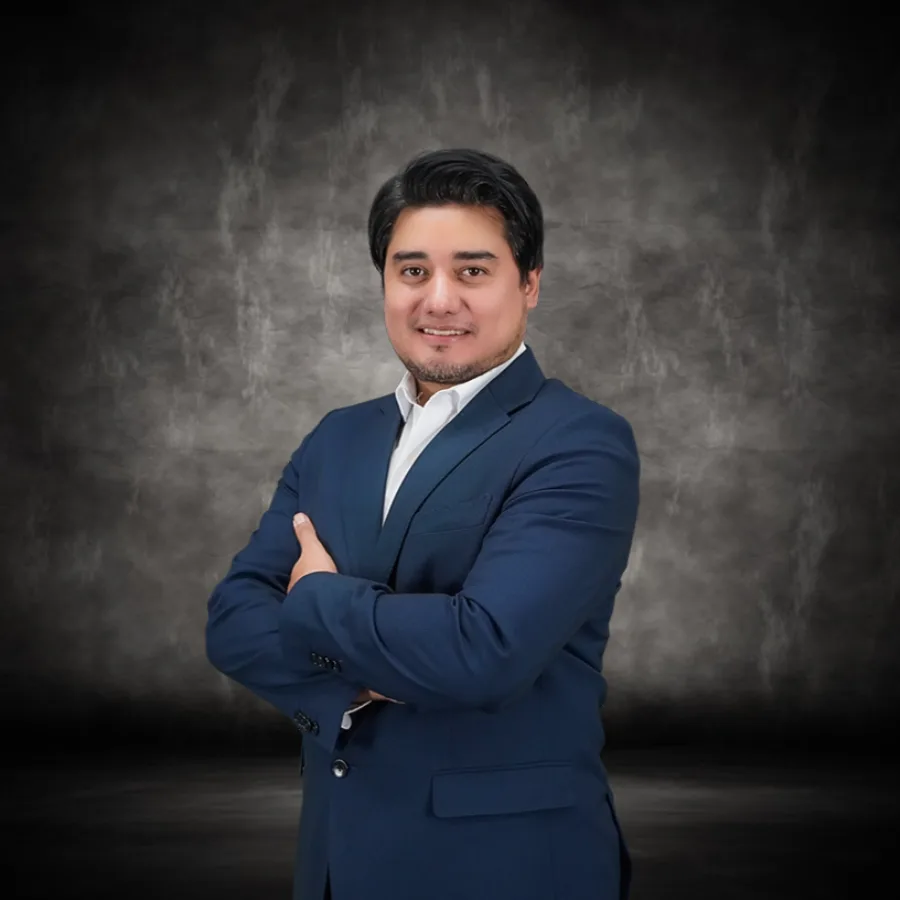
No image on this page depicts an actual patient or clinical result. Editorial images are used for illustration only.
The real decision
Contour in exchange for a scar: the real decision
Arm lift, or brachioplasty, removes excess skin and, in many cases, some remaining fat from the inner arm, from the underarm area toward the elbow. It’s indicated when skin has lost elasticity to the point of visibly hanging and no longer retracts on its own or with exercise.
Here’s the point this page won’t soften: removing excess skin requires cutting it, and cutting skin leaves a scar. Unlike liposuction, which only removes fat through tiny incisions, brachioplasty needs a long incision along the inner arm to remove the excess skin. That scar is permanent, matures over months, and — even though it’s planned to sit in a less visible area — is noticeable in short sleeves, sleeveless shirts, or swimwear.
So the criterion isn’t just whether you want firmer arms, but whether the contour change is worth, to you, carrying that visible scar for the rest of your life. It’s a personal decision, and it depends on how much excess skin you actually have — because in many cases that excess doesn’t exist yet, and liposuction alone solves the problem without needing to cut skin.
Candidacy
Who’s a candidate — and when liposuction alone is enough
Brachioplasty is usually considered when the main problem is excess skin with little or no elasticity — skin that hangs even with the arm extended and doesn’t spring back when pinched. It’s common after significant weight loss, whether from bariatric surgery or sustained lifestyle changes, or, with less excess, as part of the skin-elasticity loss that comes with age.
The point that really changes the plan is the so-called pinch test: if pinched arm skin stretches and springs back with some firmness, the main problem is likely fat volume, not excess skin. In those cases, arm liposuction alone can meaningfully improve contour without a long incision or the scar that comes with brachioplasty. That’s honestly the best possible news in a consultation: less surgery for a result that already leaves you satisfied.
When skin genuinely hangs without retracting, liposuction alone won’t tighten it — it can even leave it looking more lax if support fat is removed without also removing the excess skin. That’s where brachioplasty, scar and all, becomes the option that actually solves the problem. The in-person assessment — with the pinch test and an evaluation of your skin quality — is what separates one case from the other; it can’t be decided remotely or from photos.
The scar, without softening it
What the scar actually looks like
The incision is placed on the inner arm — the area least visible when walking with arms at your sides — and generally runs from the underarm toward the elbow. In cases with more extensive excess skin, it can extend a bit past the elbow toward the forearm. That’s a planning decision adjusted to how much skin is excess in your specific case.
Early on, the scar looks red or raised, and gradually flattens and fades over several months; the full maturation process can take up to a year. How each person’s skin scars is individual — it depends on genetics, skin type, and wound care — and an identical result to someone else’s can’t be promised.
What is constant: the scar doesn’t disappear. It becomes more discreet over time, but it’s noticeable in short sleeves, especially up close or in certain lighting. If wearing short sleeves or sleeveless tops often matters to you, that’s exactly the conversation to have before surgery, not after.
Mini vs. extended
Mini-brachioplasty vs. extended brachioplasty
The length of the incision isn’t an aesthetic preference of the surgeon — it’s determined by how much skin is excess, and where. When the excess is concentrated near the underarm, a mini-brachioplasty with a shorter incision can be enough. When the excess runs the length of the entire arm — the more common pattern after major weight loss — the extended technique is needed to remove it completely.
Trying to resolve extensive excess with a short incision doesn’t work: it leaves uncorrected loose skin and doesn’t meaningfully improve contour. The decision is made at the assessment, evaluating the skin with the arm relaxed and raised, not just standing.
Some plans combine it with liposuction in the same surgery, to refine fat contour before removing the excess skin. Which combination applies to your case is defined with you, based on your actual anatomy, not a generic protocol.

Ideal candidate
When it applies
- Excess inner-arm skin with little or no elasticity — hangs even with the arm extended and doesn’t spring back when pinched.
- Common after significant weight loss (bariatric surgery or sustained lifestyle change), or age-related skin-elasticity loss.
- Stable weight, in generally good health for surgery.
- Non-smoker, or willing to stop well before and after surgery — the scar’s healing depends on it.
- Accepts the permanent, visible scar as the trade-off for the contour change.
When it’s not appropriate
When it doesn’t apply
- Your skin still has elasticity — it stretches and springs back with some firmness when pinched. Liposuction alone may be enough, without a long incision.
- The problem is mainly fat volume, not loose skin.
- You’re not prepared to carry a permanent, visible inner-arm scar — that trade-off should be clear before surgery, not after.
- You smoke actively and can’t stop before and after surgery — scarring risk rises significantly.
- Your weight is unstable — significant changes after surgery can alter the contour achieved.
How it’s performed
The surgery, step by step
Brachioplasty is performed under general anesthesia or sedation, in a hospital setting, depending on the extent of the plan. Duration depends on whether it’s mini or extended, and whether it’s combined with liposuction — defined in your assessment.
Incision and skin removal: the incision runs along the inner arm, sized to the amount of excess skin. Excess skin — and, when indicated, some remaining fat — is removed, and the remaining skin is redraped and closed under appropriate tension for the tissue to hold.
Combination: when the plan includes liposuction, fat contour is refined first, and the excess skin is removed in the same surgical event.
We don’t show images of the procedure itself — the information here is educational, not graphic. The surgical plan, incision length, and estimated duration are defined in your in-person assessment.
Recovery
Consultation
Virtual or in-person assessment of your case
Preparation
Personalized plan, labs, and pre-op instructions
Procedure
Hospital setting, board-certified team
Recovery
Follow-up in person or remotely from the U.S.
What to expect, by stage
Week 1: Swelling, bruising, and tension along the incision; a compression garment is worn on the arms nearly all day. Raising the arms above shoulder height, lifting weight, and physical exertion are avoided.
Weeks 2–4: Swelling drops gradually and non-physical work resumes. The compression garment is usually still indicated most of the day. Tension and some numbness persist along the scar.
Weeks 6–8: Range of motion feels more natural and many patients resume light exercise with medical clearance. The scar remains red and noticeable.
3–12 months: The scar continues flattening and fading gradually; the final arm contour settles as residual swelling drops. Significant weight changes after surgery can alter the achieved contour.
Exact timing varies by patient. In your assessment you receive concrete instructions for your case, with follow-up in person or remote if you’re coming from the U.S.
Dr. Chama discusses every risk, complication, and realistic expectation in your assessment — before you decide. A medical site that only shows results and skips the risks is not giving you complete information.
Risks and considerations
Honesty first
The scar is the most specific consideration of brachioplasty: because of the extensive incision along the arm, widening or poor healing is more frequent in people who use nicotine or have a history of difficult scarring.
Poor healing or scar widening: the most specific risk of this procedure, more common in people who use nicotine or with a history of difficult scarring.
Seroma: fluid accumulation under the skin that sometimes requires additional drainage.
Hematoma: bleeding under the skin in the early post-operative period.
Infection: as with any surgical incision, with low rates when sterile technique and post-op care are followed.
Numbness or altered sensation along the arm, common early on and usually improving within weeks to months, though it can persist longer in specific spots.
Temporary or permanent asymmetry in contour or scar position between one arm and the other.
Risks inherent to anesthesia and to the surgical procedure in general.
If in your assessment Dr. Chama determines liposuction alone is enough for your case — the pinch test shows real elasticity — that’s the better outcome, and we say so before recommending the more extensive surgery.
Results
Is arm liposuction the same as an arm lift?
No. Liposuction removes fat through tiny incisions and doesn’t leave a long scar. Brachioplasty removes excess skin and requires an extensive incision to do it. They solve different problems: fat without excess skin, or skin that no longer retracts on its own.
We don’t publish photographs of arm lift results yet. We’ll publish only results shown well after the surgical event, with patient consent and intimate-area censoring. In the meantime, in your assessment you can review cases directly with Dr. Chama.
Frequently asked questions
What patients ask us most
How much does an arm lift cost?
The price depends on whether your case needs a mini-brachioplasty, the extended technique, or a combination with liposuction. We provide a personalized quote after your assessment. Message us on WhatsApp to start the conversation.
Is the scar visible in short sleeves?
Yes, it’s noticeable, especially up close. It’s placed on the inner arm to be as discreet as possible when walking with arms at your sides, and it fades and flattens over months, but it doesn’t disappear. It’s the central trade-off of this surgery and should be decided with that expectation clear, not after surgery.
Is it the same as arm liposuction?
No. Liposuction removes fat through tiny incisions and doesn’t leave a long scar. Brachioplasty removes excess skin and needs an extensive incision to do it. They’re used for different problems: fat without excess skin, or skin that no longer retracts on its own.
When is liposuction alone enough, without cutting skin?
When the main problem is fat volume and your skin still has elasticity — evaluated with the pinch test in your assessment. If pinched skin stretches and springs back with firmness, arm liposuction alone is usually enough, without the scar that comes with brachioplasty.
Exactly where does the scar sit?
Generally along the inner arm, from the underarm area toward the elbow. In cases with more excess skin it can extend slightly toward the forearm. The exact extent is defined in your assessment based on how much skin is excess.
How long does the scar take to mature?
The maturation process can take up to a year: it starts red and somewhat raised, and gradually flattens and fades. How each person’s skin scars is individual and depends on genetics, skin type, and wound care.
How long is the recovery?
There’s an early phase of one to two weeks with swelling and use of a compression garment, and a refinement phase of several months in which residual swelling drops and the scar continues maturing. Your timeline depends on the extent of your surgery.
Does smoking or vaping affect scarring?
Yes, significantly: nicotine compromises blood flow and raises the risk of poor healing or skin compromise along the incision. A period of stopping before and after surgery is usually indicated.
Am I a candidate for this surgery?
Usually a good candidate has excess inner-arm skin that doesn’t improve with exercise, a stable weight, and generally good health. It’s especially common after significant weight loss or bariatric surgery. There’s no single age — the pinch test and an in-person evaluation of your skin decide it.
I’m coming from the U.S. — how does this work?
We can answer initial questions through a bilingual virtual consultation before you cross. For most plans it’s worth staying near Tijuana for the first days after surgery — the window when complications are handled promptly. Flying back in the first week is usually discouraged, since the arm needs to stay elevated and rested. Follow-up visits can often be coordinated remotely once you’re back home.
Related Procedures


Schedule your virtual consultation
Your quote is personalized. Message us and we’ll guide you, no commitment.
WhatsApp +52 664 585 1602Consultation
Schedule your consultation
Direct attention from Dr. Alfredo Chama's team, board-certified plastic surgeon in Tijuana. Message us or call to schedule your appointment.
or if you prefer, directly:
Last updated: September 19, 2026