Facelift Revision and Pixie Ear Repair in Tijuana, Mexico
An earlobe pulled down, a scar you can see, a face that looks tight instead of rested. Many of these problems can be improved with a second, carefully planned operation — and they deserve an honest second opinion first.

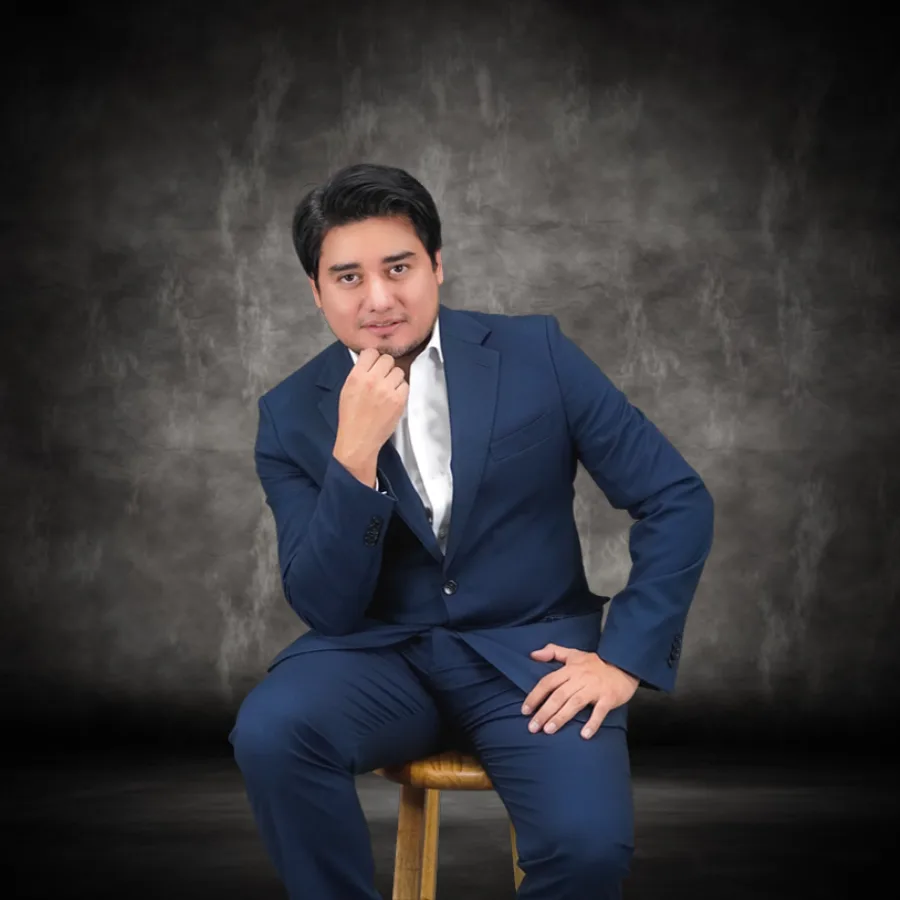
No image on this page depicts an actual patient or a surgical result. Editorial photography is used for illustration only.
Facelift revision surgery with Dr. Alfredo Chama, plastic, aesthetic and reconstructive surgeon certified by the Mexican Council of Plastic, Aesthetic and Reconstructive Surgery (CMCPER No. 2607), in Tijuana, just across the border from San Diego.
What it’s for
What a facelift revision is for, and what it isn’t
A facelift revision is a second operation to correct or improve the result of a previous facelift or neck lift — yours or one performed by another surgeon. It is not the same operation as a first facelift: the tissues have already been lifted, there is scar tissue, and the anatomy has changed. The plan starts from what was done before.
The most common reasons patients look for it:
- Pixie ear deformity: the earlobe is pulled down and forward and looks stuck to the cheek instead of hanging free. It usually comes from closing the skin with tension on the earlobe.
- A stretched, notched or distorted earlobe after a facelift.
- Visible or wide scars in front of or behind the ear, or incisions that moved the hairline or the sideburn.
- A “pulled” or “windswept” look, when the skin was tightened instead of repositioning the deeper tissues.
- Laxity that came back along the jawline or neck, or neck bands that remain.
- Asymmetry between the two sides of the face.
If you are searching for a botched facelift repair in Mexico, the first step is not surgery: it is understanding what was done and what can realistically change. Complications and unfavorable results happen even with careful surgeons. The goal of a revision is to solve the problem, not to assign blame.
What a revision is not: it cannot undo every consequence of a previous operation, and it does not erase scars. It aims to improve them and to put the tension where it belongs.
Benefits
What it changes
- A more natural earlobe: in pixie ear repair the lobe is released and reshaped so it hangs more freely; how much depends on the skin available.
- Less noticeable scars: scars can be repositioned or refined, not eliminated.
- Tension where it belongs: the lift is redistributed to the deeper layers so the skin is not carrying the pull.
- A plan built on your history: the operation is designed around what was already done, not from a template.
Candidacy
Who is typically a candidate, and who should wait
- ✓ Healed from your previous facelift, with tissues that have had time to settle.
- ✓ A specific concern you can point to: earlobe, scar, tension, laxity or asymmetry.
- ✓ Non-smoker, or willing to stop for the weeks around surgery and during recovery — smoking affects skin healing, and that matters more in a revision.
- ✓ Realistic expectations: an improvement, not a promise of a perfect result.
- ✓ Your medical history and, ideally, records from the first surgery.
Who should wait: anyone still in the first months after the original surgery, with healing problems that are still active, or whose health does not yet allow a new operation.
| Earlobe (pixie ear) repair | Scar revision | Full facelift revision | |
|---|---|---|---|
| Main problem | Lobe pulled down or attached to the cheek | Wide, visible or displaced scars | Laxity that returned, pulled look, asymmetry |
| Where the work is done | Around the earlobe | Along the previous incisions | Deeper layers of the face and neck |
| Recovery | Usually the shortest | Varies with the scar | Similar to, or longer than, a first facelift |
Consultation
Virtual or in-person assessment of your case
Preparation
Personalized plan, labs, and pre-op instructions
Procedure
Hospital setting, certified surgical team
Recovery
Follow-up in person or remotely from the U.S.
How the process works, step by step
- Virtual review of your case. Send current photos and, if you have it, the operative report from your first surgery through WhatsApp. Dr. Chama reviews your case and tells you whether a revision makes sense now, later, or not at all.
- Timing. After a facelift, tissues need time to settle before a revision is planned; operating on tissue that is still swollen makes the result less predictable. Dr. Chama sets the timing for your case.
- Written plan. Scope (earlobe repair, scar revision or a broader revision of the lift), anesthesia and dates.
- Surgery in Tijuana. In a certified hospital setting.
- Follow-up. In person before you travel home, then by WhatsApp or video from the U.S., with in-person visits when needed.
Your stay and follow-up (for patients crossing or flying in)
- Nights in Tijuana: set in your written plan according to the scope of the repair.
- Records: you can request a clinical summary of your case so any physician back home can continue your care if needed.
- Recovery-house stay and ground transport can be arranged for out-of-town patients — ask on WhatsApp.
Dr. Chama discusses every risk, complication rate, and realistic expectation at your consultation — before you decide. A medical site that only shows results and omits risk is not giving you complete information.
Unhappy with your facelift result? Start with a virtual review of your case. Send photos and your records on WhatsApp in English or Spanish; Dr. Chama reviews them before the appointment.
Frequently asked questions
What patients ask us most
What is pixie ear deformity, and can it be repaired?
It is when the earlobe is pulled downward and forward and looks attached to the cheek after a facelift. It usually comes from closing the skin with tension on the earlobe. In many cases it can be improved by releasing the lobe and reshaping it; if the tension of the facelift is the cause, the repair may also redistribute that tension. How much can be corrected depends on the skin available, and Dr. Chama tells you after examining your case.
How long should I wait after my facelift before a revision?
Long enough for swelling to resolve and for the scars to mature — tissues keep changing for months after a facelift. Some problems are handled earlier; most revisions are planned once the result has settled. Dr. Chama sets the timing after seeing your photos and your history.
Can you fix a facelift done by another surgeon?
That is what a revision is. Dr. Chama is a plastic, aesthetic and reconstructive surgeon: he evaluates the result, asks for whatever records you have from the first surgery, and tells you plainly what can and cannot be improved.
Is a revision riskier than a first facelift?
It can be more complex: there is scar tissue, the anatomy has changed, and the blood supply to the skin may be more delicate. Risks include bleeding, infection, delayed healing, visible scarring, asymmetry, changes in sensation and, less often, injury to a facial nerve. They are discussed for your specific case before you decide.
Will the new scars be worse?
Revision incisions usually follow the previous ones, and the goal is to leave them better placed and less visible. How each person scars cannot be promised: it depends on your skin, your healing and on not smoking.
I had a mini facelift or a thread lift. Can that be revised?
Often, yes, but the plan depends on what was actually done. Bring whatever information you have: the name of the procedure, the date and, if possible, the operative report.
How many nights do I need to stay in Tijuana?
It depends on the scope: a limited earlobe repair needs less time than a full revision. Dr. Chama confirms the number of nights in your written plan.
Can I get a quote before traveling?
Yes. Send photos and your history on WhatsApp; after reviewing your case you receive a personalized quote. There is no public price list because every revision is different.
About the surgeon
Dr. Alfredo Chama Naranjo
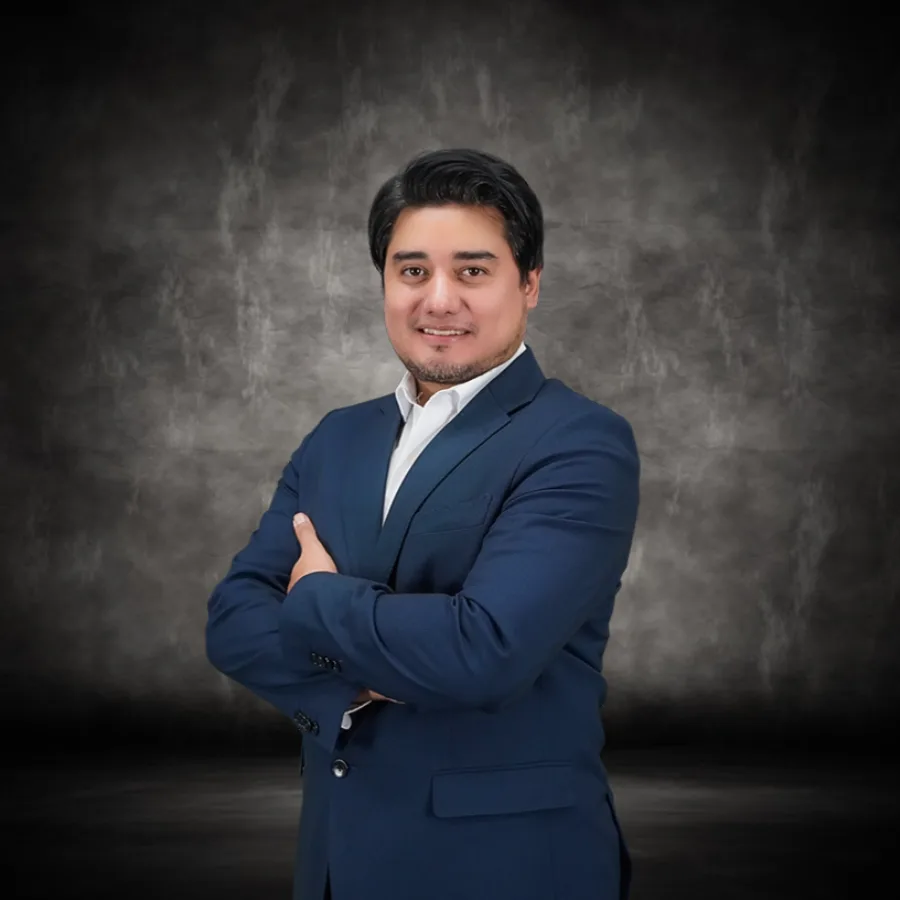
Dr. Alfredo Chama Naranjo — plastic, aesthetic and reconstructive surgeon in Tijuana, Mexico.
- Specialty professional license (Mexican Ministry of Education, SEP): 14854088 — plastic and reconstructive surgery, National Autonomous University of Mexico (UNAM), verifiable on the SEP public registry.
- Certified by the Mexican Council of Plastic, Aesthetic and Reconstructive Surgery: CMCPER No. 2607, verifiable on the council’s website. The CMCPER is Mexico’s certifying council for the specialty.
- His specialty includes reconstructive surgery — the branch dedicated to repairing tissue, not only changing its appearance.
- Operates in a certified hospital setting in Tijuana.
Last updated: 2026-09-23
Related Procedures


Schedule your virtual consultation
Your quote is personalized. Message us and we’ll guide you — in English or Spanish.
WhatsApp +52 664 585 1602*Schedule your virtual consultation with Dr. Chama.*
Consultation
Schedule your consultation
Direct attention from Dr. Alfredo Chama's team, Mexican Council-certified plastic surgeon in Tijuana. Message us or call to schedule your appointment.
or if you prefer, directly:
Last updated: September 23, 2026