Scar Revision Surgery in Tijuana, Mexico
No surgery erases a scar. A well-planned revision can make one narrower, flatter, better placed or less tight — and that is often the difference that matters to you.
No image on this page depicts an actual patient or a surgical result. Editorial photography is used for illustration only.
Scar revision surgery with Dr. Alfredo Chama, plastic, aesthetic and reconstructive surgeon certified by the Mexican Council of Plastic, Aesthetic and Reconstructive Surgery (CMCPER No. 2607), in Tijuana, just across the border from San Diego.
What it’s for
What a scar revision is for, and what it isn’t
Scar revision is surgery to improve how a scar looks or how it behaves — from a previous operation, an injury or a burn. The aim is realistic: to replace a scar you dislike with one that is less noticeable, better placed or no longer pulling. A scar never disappears completely.
Scars that patients usually want revised, and what makes each one different:
- Wide or stretched scars: the scar healed flat but spread over time.
- Hypertrophic scars: raised and thick, but they stay within the limits of the original wound.
- Keloids: they grow beyond the original wound, can itch or hurt, and tend to come back.
- Depressed scars that sink below the surrounding skin.
- Contracted scars that tighten and pull on nearby skin or limit movement.
- Poorly placed scars from a previous surgery — a tummy tuck, breast surgery or facial surgery — that sit too high, are uneven or are visible outside underwear or swimwear.
About keloid scar removal. Keloids are the exception to the usual rules. Removing a keloid with surgery alone often lets it come back, sometimes larger. When surgery is an option, it is combined with measures after the operation to lower that risk, and some keloids are better managed without surgery. Dr. Chama tells you which applies to yours before anything is scheduled.
If you are looking for bad scar repair after another surgery, bring whatever information you have about that operation: where the scar sits and why can change the plan.
Benefits
What it changes
- A narrower, flatter scar when a wide or raised scar is replaced with a finer closure.
- Better position: a scar can sometimes be moved or re-oriented to follow natural lines.
- Less pulling: a contracted scar can be released so the skin moves more freely.
- An honest plan for keloids, including when not to operate.

Candidacy
Who is typically a candidate, and who should wait
- ✓ A scar that has matured, or a contracted scar that limits movement.
- ✓ A clear concern: width, height, color contrast, position or tension.
- ✓ Good general health; non-smoker, or willing to stop for the weeks around surgery and during recovery.
- ✓ Understanding that the goal is improvement, not a scar-free result.
- ✓ For keloids: willingness to follow the full after-surgery plan.
Who should wait: scars that are still red and changing, or areas with an active infection or open wound.
| Hypertrophic scar | Keloid | Wide or stretched scar | Contracted scar | |
|---|---|---|---|---|
| What it looks like | Raised, within the original wound | Grows beyond the original wound | Flat but wide | Tight, pulls the skin |
| Tends to come back | Less often | Often | Can widen again under tension | Depends on the release |
| Usual approach | Revision once mature | Case by case; sometimes no surgery | Excision and layered closure | Release and change of direction |
Consultation
Virtual or in-person assessment of your case
Preparation
Personalized plan, labs, and pre-op instructions
Procedure
Hospital setting, certified surgical team
Recovery
Follow-up in person or remotely from the U.S.
How the process works, step by step
- Virtual review of your case. Send clear photos of the scar, its age and how it happened (surgery, injury, burn) through WhatsApp.
- Timing. Scars keep changing for months; revision is usually planned once the scar has matured, which often takes about a year. Contracted scars that limit movement can be different.
- Written plan. Technique — for example, removing the scar and closing it in layers, or changing its direction to release tension — anesthesia, and aftercare.
- Procedure in Tijuana. In a certified hospital setting.
- Follow-up. Stitch removal and check-ups in person, then by WhatsApp or video from the U.S. For keloids, follow-up after surgery is part of the treatment, not optional.
Your stay and follow-up (for patients crossing or flying in)
- Nights in Tijuana: Dr. Chama confirms the number for your case in your written plan.
- Records: you can request a clinical summary of your case so any physician back home can continue your care if needed.
Dr. Chama discusses every risk, complication rate, and realistic expectation at your consultation — before you decide. A medical site that only shows results and omits risk is not giving you complete information.
Have a scar that bothers you? Start with a virtual review. Send clear photos on WhatsApp in English or Spanish; Dr. Chama reviews them before the appointment.
Frequently asked questions
What patients ask us most
Can a scar be removed completely?
No. Any cut in the skin leaves a scar. Revision replaces a scar you dislike with one that should be less noticeable, better placed or less tight. How the new scar matures depends on your skin and your healing.
What is the difference between a keloid and a hypertrophic scar?
Both are raised. A hypertrophic scar stays within the limits of the original wound and often improves over time; a keloid grows beyond it and tends to return after treatment. The difference changes the plan, so it is confirmed at your evaluation.
Will my keloid come back after surgery?
It can. Recurrence is the main problem with keloids, which is why surgery alone is rarely enough and why the plan includes measures after the operation. Some keloids are better managed without surgery. Dr. Chama explains the realistic options for yours.
How long should I wait before revising a scar?
Usually until the scar has matured — it has stopped changing color and thickness — which often takes about a year. Scars that limit movement may be treated earlier.
Can you fix a scar from a surgery done elsewhere?
Yes. Scars from a tummy tuck, breast surgery, facial surgery or an injury can be evaluated. Knowing what the original operation was helps with the plan.
Is scar revision done under local anesthesia?
It depends on the size and location of the scar and on how many areas are treated. It is decided at the consultation.
What can I do so the new scar heals well?
Follow the care instructions, protect the scar from the sun, avoid smoking and avoid tension on the area for as long as indicated. These steps have a real effect on how a scar matures.
Can I get a quote before traveling?
Yes. Send photos of the scar on WhatsApp; after reviewing your case you receive a personalized quote.
About the surgeon
Dr. Alfredo Chama Naranjo
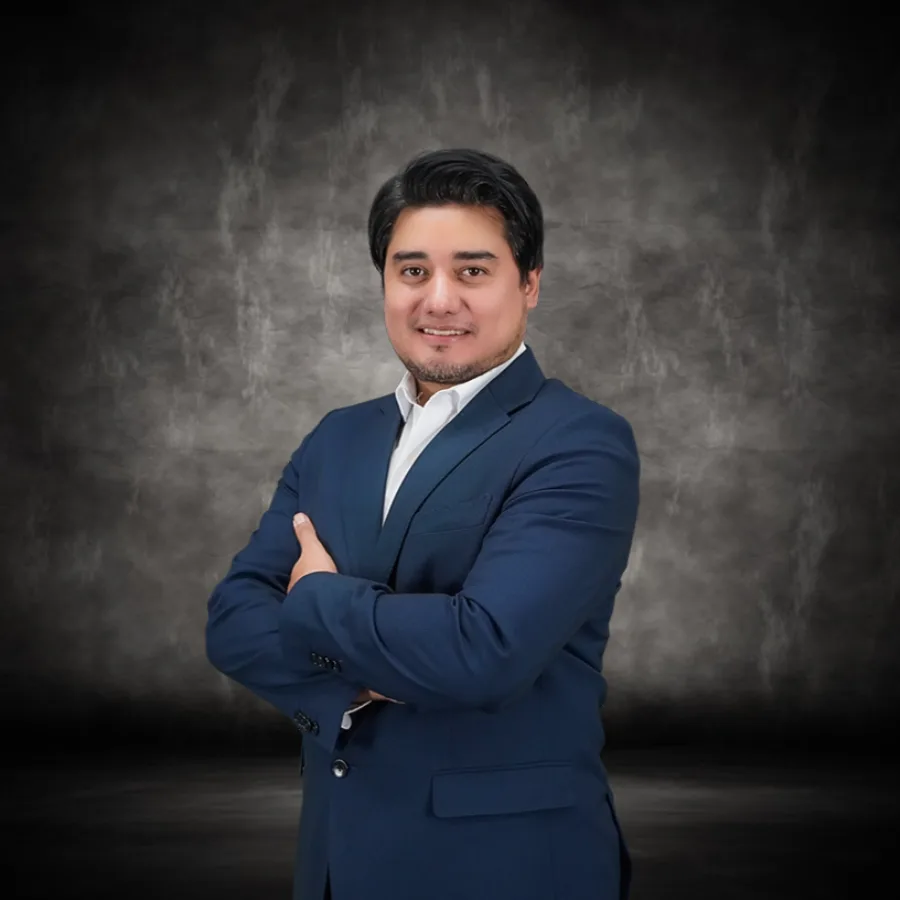
Dr. Alfredo Chama Naranjo — plastic, aesthetic and reconstructive surgeon in Tijuana, Mexico.
- Specialty professional license (Mexican Ministry of Education, SEP): 14854088 — plastic and reconstructive surgery, National Autonomous University of Mexico (UNAM), verifiable on the SEP public registry.
- Certified by the Mexican Council of Plastic, Aesthetic and Reconstructive Surgery: CMCPER No. 2607, verifiable on the council’s website. The CMCPER is Mexico’s certifying council for the specialty.
- His specialty includes reconstructive surgery — the branch dedicated to repairing tissue, not only changing its appearance.
- Operates in a certified hospital setting in Tijuana.
Last updated: 2026-09-23
Related Procedures



Schedule your virtual consultation
Your quote is personalized. Message us and we’ll guide you — in English or Spanish.
WhatsApp +52 664 585 1602*Schedule your virtual consultation with Dr. Chama.*
Consultation
Schedule your consultation
Direct attention from Dr. Alfredo Chama's team, Mexican Council-certified plastic surgeon in Tijuana. Message us or call to schedule your appointment.
or if you prefer, directly:
Last updated: September 23, 2026