Breast Reduction in Tijuana, Mexico
Symptom-based, not cup-size-based. If insurance said no, a board-certified surgeon can still evaluate you.

No image on this page depicts an actual patient or a surgical result. Editorial photography is used for illustration only.
Breast reduction (reduction mammaplasty) with Dr. Alfredo Chama, plastic surgeon board-certified by the Mexican Council of Plastic Surgery (CMCPER No. 2607), about 20 minutes from the San Ysidro border crossing.
What it’s for
What a breast reduction is for, and what it isn’t
Breast reduction removes skin and breast tissue to bring your breasts into proportion with your frame. In the same operation the nipple is repositioned and the breast is lifted — reducing without lifting would leave an empty, sagging breast.
For most women who look into this surgery, the problem is not the size itself but what the size does to the rest of the body. If several of these sound familiar, an evaluation is worth your time:
- Back, neck or shoulder pain that physical therapy and posture work have not fixed
- Deep grooves in your shoulders from bra straps
- Rashes or irritation in the fold under the breast
- Trouble running, exercising or finding sports bras that actually hold
- Hunched posture to compensate for the weight
A note on “medical necessity” in the US. Many US insurers approve a reduction only after months of documented conservative treatment and a minimum weight of tissue removed. The American Society of Plastic Surgeons has stated that the indication should rest on a patient’s symptoms, not on an arbitrary resection weight. A denial from your insurer means you were measured against their rule; it says nothing about whether surgery would help you. This page makes no promise of coverage or reimbursement; treatment here is self-pay.
Benefits
What it changes
- Relief from physical symptoms: less load on the back, neck and shoulders (how much varies from person to person).
- Proportion with your frame: breasts sized to your height and torso.
- Clothes and exercise without planning around your chest: running, lifting and dressing as you like.
- Lift included: the nipple is repositioned, so the result is smaller and higher.
Candidacy
Who is typically a candidate, and who should wait
- ✓ Physical symptoms or persistent discomfort caused by breast size.
- ✓ Stable weight.
- ✓ Non-smoker, or willing to stop before and after surgery.
- ✓ Fully developed breasts.
- ✓ Realistic expectations about scars: there will be scars, planned to sit under a bra and mature well.
- ✓ Able to stay in Tijuana for the first days and return for follow-up, in person or virtually.
Reduction, lift, or both:
| Breast reduction | Breast lift (mastopexy) | Reduction with lift | |
|---|---|---|---|
| Main problem | Excess volume and symptoms | Sagging without excess volume | Excess volume and sagging |
| What is removed | Skin and breast tissue | Skin only | Skin and tissue |
| Cup size changes | Yes, smaller | No, or slightly | Yes, smaller |
In practice every reduction includes a lift; the difference is how much tissue comes out.
Consultation
Virtual or in-person assessment of your case
Preparation
Personalized plan, labs, and pre-op instructions
Procedure
Hospital setting, board-certified team
Recovery
Follow-up in person or remotely from the U.S.
How the process works, step by step
- Virtual consultation. Send photos and describe your symptoms through WhatsApp; Dr. Chama reviews your case and tells you whether a reduction is the right operation for you.
- Plan. Incision pattern — vertical (“lollipop”) or inverted-T (“anchor”) — chosen for your anatomy and the volume to remove; surgery date and travel dates set together.
- Surgery in Tijuana. Under general anesthesia, in a certified hospital setting. Drains depend on the case.
- First follow-up. Check-up before you travel home; drains, if used, removed on schedule; written care instructions.
- Cross-border follow-up. Virtual check-ins from California or wherever you live, with in-person visits when needed.
Your stay and follow-up (for patients crossing or flying in)
- Nights in Tijuana before driving or flying home: at least one night in Tijuana; Dr. Chama confirms the number for your case in your written plan
- Follow-up: WhatsApp or video check-ins; in-person visits are about 20 minutes from the border.
- Records: you can request a clinical summary of your case before you leave, so any physician back home can continue your care if needed.
- Optional package for out-of-town patients: recovery-house stay, ground transport airport → clinic → recovery house → airport, and a medical-lane pass for the border crossing. You can book the surgery alone or a package built around your case — ask on WhatsApp.
Dr. Chama discusses every risk, complication rate, and realistic expectation at your consultation — before you decide. A medical site that only shows results and omits risk is not giving you complete information.
Recognize these symptoms? Schedule your virtual consultation. Message us on WhatsApp in English or Spanish, tell us what bothers you, and Dr. Chama reviews your case before the appointment.
Frequently asked questions
What patients ask us most
Can it relieve back and neck pain?
For many patients, yes: reducing the weight of the breasts reduces the load on the back, neck and shoulders. How much relief you get varies and depends on the pain actually coming from breast weight rather than another cause. That is why the evaluation looks at your symptoms, not just your cup size.
What scars will I have (lollipop vs. anchor)?
It depends on the pattern. A vertical (“lollipop”) incision circles the areola and runs down to the fold; an inverted-T (“anchor”) adds a horizontal line along the fold. Dr. Chama chooses based on your anatomy and how much volume is removed. Scars are planned to sit under a bra and mature over time.
Will I lose nipple sensation?
Sensation can change. Nipple sensation may decrease, increase or feel different after surgery, and how it evolves varies with technique, anatomy and how much tissue is removed: in some patients it returns, in others the change stays. It is a risk Dr. Chama discusses with you before you decide.
Can I breastfeed later?
Many women breastfeed after a reduction, but not all: it depends on the technique and how much glandular tissue is preserved. If you plan to have children, tell Dr. Chama at consultation — it can influence the timing of surgery and the pattern chosen.
Does reduction include a lift?
Yes. Removing tissue and skin reshapes the breast and moves the nipple higher, so the result is smaller and lifted. A reduction without a lift would make no anatomical sense.
How is the final size decided?
Together. You describe what you want; Dr. Chama translates that into how much tissue to remove for your height, your torso and the relief you need. No exact bra size is promised — sizes vary between brands and the tissue settles over months.
What if my insurance denied me?
A denial means you did not meet that insurer’s criteria, often a minimum resection weight or months of documented conservative treatment. It is an administrative rule, and it says nothing about whether surgery would help you. Dr. Chama evaluates on symptoms and anatomy. Treatment in Tijuana is self-pay; this page makes no promise of coverage or reimbursement, so check with your insurer before assuming anything about claims.
When can I drive, work and exercise — and how many nights in Tijuana first?
Nights in Tijuana before driving or flying home: at least one night in Tijuana; Dr. Chama confirms the number for your case in your written plan. Desk work is usually possible at 1-2 weeks; impact exercise and heavy lifting from around 4-6 weeks, with Dr. Chama’s clearance. Driving yourself depends on being off pain medication and able to turn the wheel comfortably; he sets your exact timeline based on how you recover.
About the surgeon
Dr. Alfredo Chama Naranjo
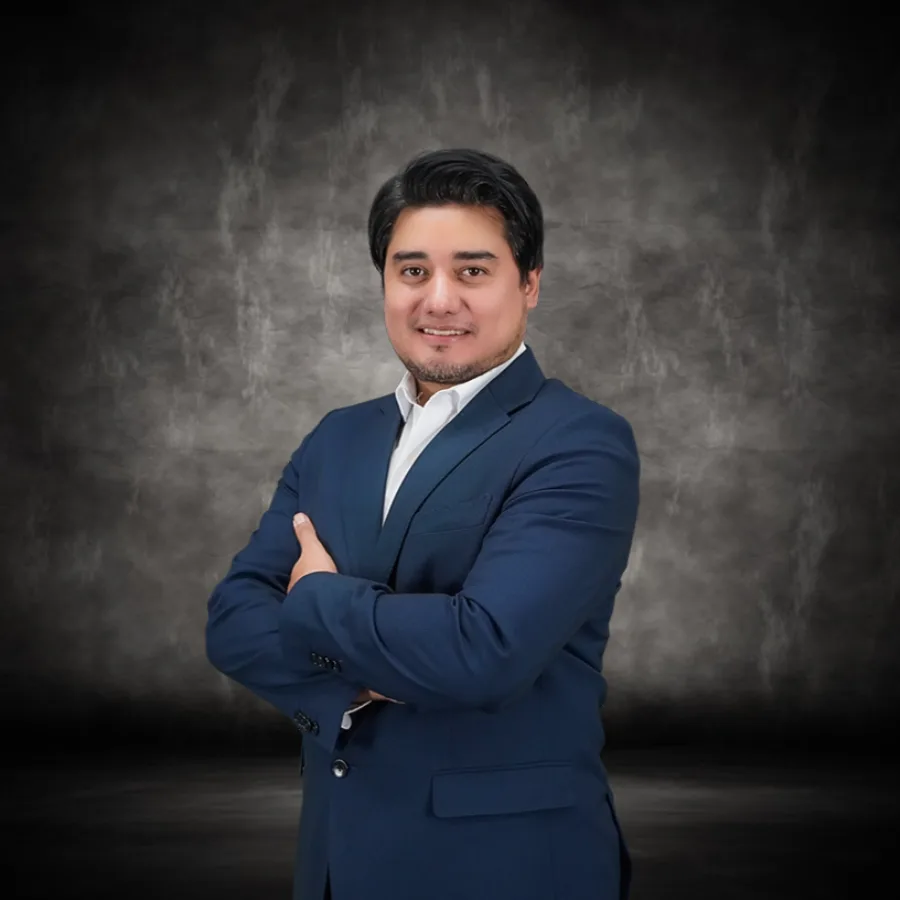
Dr. Alfredo Chama Naranjo — plastic, aesthetic and reconstructive surgeon in Tijuana, Mexico.
- Specialty professional license (Mexican Ministry of Education, SEP): 14854088 — plastic and reconstructive surgery, National Autonomous University of Mexico (UNAM), verifiable on the SEP public registry.
- Board certification by the Mexican Council of Plastic, Aesthetic and Reconstructive Surgery: CMCPER No. 2607, verifiable on the council’s website. The CMCPER is Mexico’s national board for plastic surgery — the counterpart of board certification in the United States.
- Operates in a certified hospital setting in Tijuana.
Last updated: 2026-09-21
Related Procedures




Schedule your virtual consultation
Your quote is personalized. Message us and we’ll guide you — in English or Spanish.
WhatsApp +52 664 585 1602*Schedule your virtual consultation with Dr. Chama.*
Consultation
Schedule your consultation
Direct attention from Dr. Alfredo Chama's team, board-certified plastic surgeon in Tijuana. Message us or call to schedule your appointment.
or if you prefer, directly:
Last updated: September 23, 2026