Fractional CO2 Laser for Surgical Scars in Tijuana, Mexico
No laser makes a scar disappear. A fractional CO2 laser can improve a scar’s texture and relief, and studies show a better response when treatment starts soon after surgery.
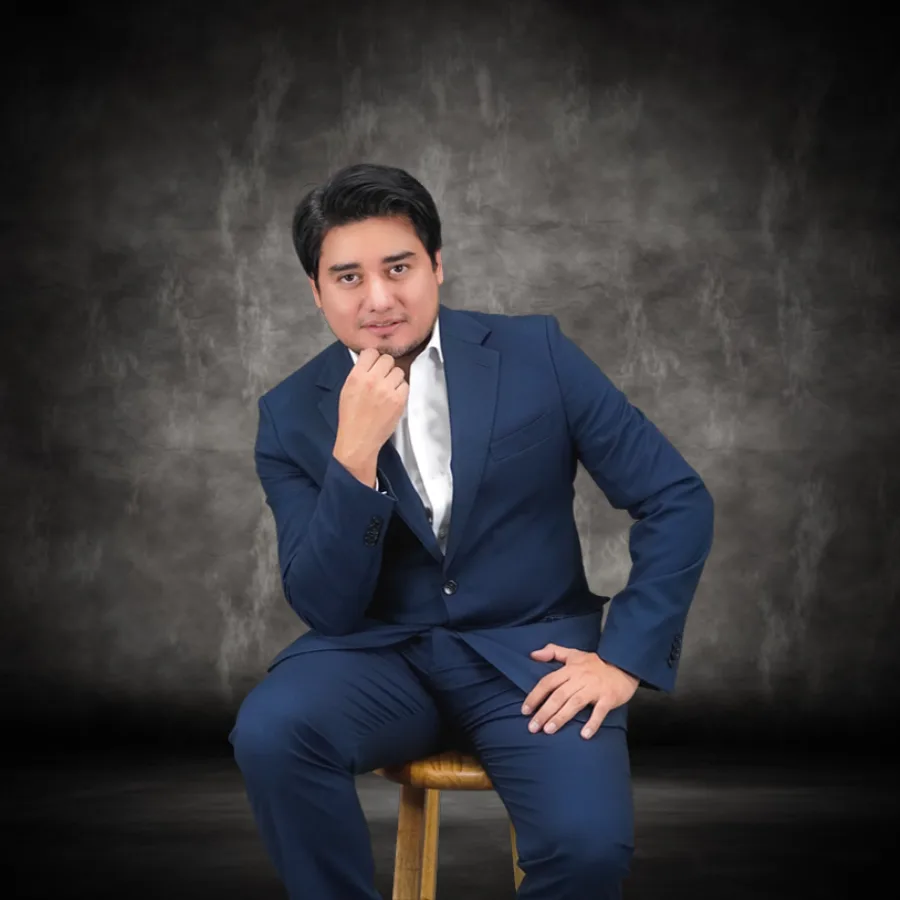
No image on this page depicts an actual patient or a surgical result. Editorial photography is used for illustration only.
Fractional CO2 laser treatment with Dr. Alfredo Chama, plastic, aesthetic and reconstructive surgeon certified by the Mexican Council of Plastic, Aesthetic and Reconstructive Surgery (CMCPER No. 2607), in Tijuana, just across the border from San Diego.
What it’s for
What a CO2 laser does for scars, and what it doesn’t
A fractional CO2 laser creates microscopic columns of heat in the scar and leaves the skin around each column untouched. As the skin repairs itself, it builds new collagen and the scar gradually remodels. It is not surgery: the scar is not cut out or closed again.
Surgical scars it is most often used for:
- Raised or thickened scars that feel hard or rough.
- Stiff scars that feel tight or less flexible.
- Scars with uneven texture or mild dips.
What the evidence says. A meta-analysis of 14 controlled studies with 492 participants or scars found that fractional CO2 laser improves surgical scars, with a larger effect when treatment started within the first month after surgery; when it started after 3 months, the difference was not significant in that analysis. Most trials support 2 to 3 sessions or more (Ji et al., J Cosmet Dermatol 2025; PMID 39780524). In mature cesarean scars, a small controlled trial (11 patients) found visible improvement at 6 months (Karmisholt et al., Lasers Surg Med 2017; PMID 27862066). An international consensus of 26 specialists across 13 countries considers lasers (several types, not only fractional CO2) a first-line therapy for traumatic scars and contractures (Seago et al., Lasers Surg Med 2020; PMID 31820478).
What it does not do. It does not erase the scar. In a study of recent head and neck scars, patients were satisfied, but objective measurements showed no significant difference (Buelens et al., Dermatol Surg 2017; PMID 28009692). For keloids and hypertrophic scars, a Cochrane review concluded the evidence is not enough to support or refute that laser treatment works (Leszczynski et al., 2022; PMID 36161591). If a scar is wide, poorly placed or pulls on the skin, the better option may be scar revision surgery, not the laser.
Benefits
What it changes
- Smoother, more flexible scar: in studies, scar surface and pliability improved.
- No surgery: the scar is not cut out or closed again.
Candidacy
Who is typically a candidate, and who should wait
- ✓ A surgical scar that is raised, stiff or uneven in texture.
- ✓ A wound that has closed, with no infection.
- ✓ Realistic expectations: a better scar, not a scar-free result.
- ✓ Willingness to protect the area from the sun throughout treatment.
If another surgeon performed your surgery, mention it at your review: that is where it is confirmed whether Dr. Chama can treat your scar.
Who should wait or is not a candidate: an open wound or infection in the area; freshly tanned or sunburned skin on the area; hypertrophic scars that are very raised, or keloids, which are evaluated case by case: for them the evidence on lasers is not enough.
Possible risks. No treatment is free of risk. A Cochrane review of lasers on hypertrophic scars and keloids reported: pain; skin burns; redness; small visible blood vessels; thinning of the skin; purple discoloration; lightening, darkening or loss of skin color; raw areas from blistering; and the scar coming back (Leszczynski et al., 2022; PMID 36161591). After an ablative laser, swelling, scabbing, infection or less improvement than expected can also occur. In a study in darker skin, results were better in early scars, scars without prior darkening and lighter skin types (Maninder et al., J Cosmet Dermatol 2022; PMID 34932873). Dr. Chama goes over these risks with you before any session.
| Fractional CO2 laser | Scar revision surgery | |
|---|---|---|
| What it does | Remodels the skin of the scar | Removes the scar and closes it again |
| Used for | Raised, stiff or textured scars | Usually wide, poorly placed or tight scars |
| Is it surgery | No | Yes |
Review
Virtual or in-person review of your scar
Plan
Sessions, spacing and aftercare, in writing
Session
In Tijuana, with Dr. Chama
Follow-up
In person or remotely from the U.S.
How the process works, step by step
- Virtual review. Send clear photos of the scar on WhatsApp and tell us what surgery it was and when. Dr. Chama reviews whether the laser is right for you or another option fits better.
- Timing. Studies show a better response when treatment starts early, once the wound has closed; the exact timing for your case is set at your consultation.
- Written plan. Number of sessions, time between them and aftercare. Studies with different types of laser often use 2 to 4 sessions spaced 2 to 8 weeks apart (Karmisholt et al., J Eur Acad Dermatol Venereol 2018; PMID 29419914); your number is set in your plan.
- Session in Tijuana, with Dr. Chama.
- Aftercare and follow-up. Strict sun protection, no picking at scabs, and progress checks in person or by WhatsApp or video from the U.S.
If you are crossing from the U.S.: in studies, sessions are usually spaced several weeks apart, and your own number and spacing are set in your written plan — ask during your virtual review how the visits can fit your trips across the border.
Dr. Chama explains every risk and what to realistically expect at your consultation — before you decide.
Have a surgical scar that bothers you? Start with a virtual review. Send clear photos on WhatsApp in English or Spanish; Dr. Chama reviews them before the appointment.
Frequently asked questions
What patients ask us most
Does a CO2 laser remove a scar?
No. No treatment makes a scar disappear. The goal is to improve its texture and relief. How much it improves depends on your skin, the type of scar and when treatment starts.
When should treatment start after surgery?
In a meta-analysis, the largest effect was seen when treatment started within the first month after surgery. In every case the wound must have closed. One trial also showed improvement in mature cesarean scars. The timing for your case is set at your consultation.
How many sessions will I need?
Studies with different types of laser often use 2 to 4 sessions spaced 2 to 8 weeks apart. The number for your scar is set in your written plan.
Does it hurt?
Studies describe pain or burning during and after the session. How discomfort is managed in your case, and how long it lasts, is explained at your consultation.
How long does the redness last?
It varies. In a study of cesarean scars, redness and color changes were most noticeable between the first and third month, and the improvement was clearer at 6 months. Protecting the area from the sun helps those changes fade.
Does it work for keloids or hypertrophic scars?
For keloids and hypertrophic scars, the evidence is not enough to say yes or no. They are evaluated case by case, and sometimes another option is better.
Is it the same as scar revision surgery?
No. Revision is surgery: the scar is removed and closed again. The laser works on the skin of the scar without cutting it. Which one fits your scar is decided at your consultation.
Can I get a quote before traveling?
Yes. Send photos of the scar on WhatsApp; after reviewing your case you receive a personalized quote.
About the surgeon
Dr. Alfredo Chama Naranjo
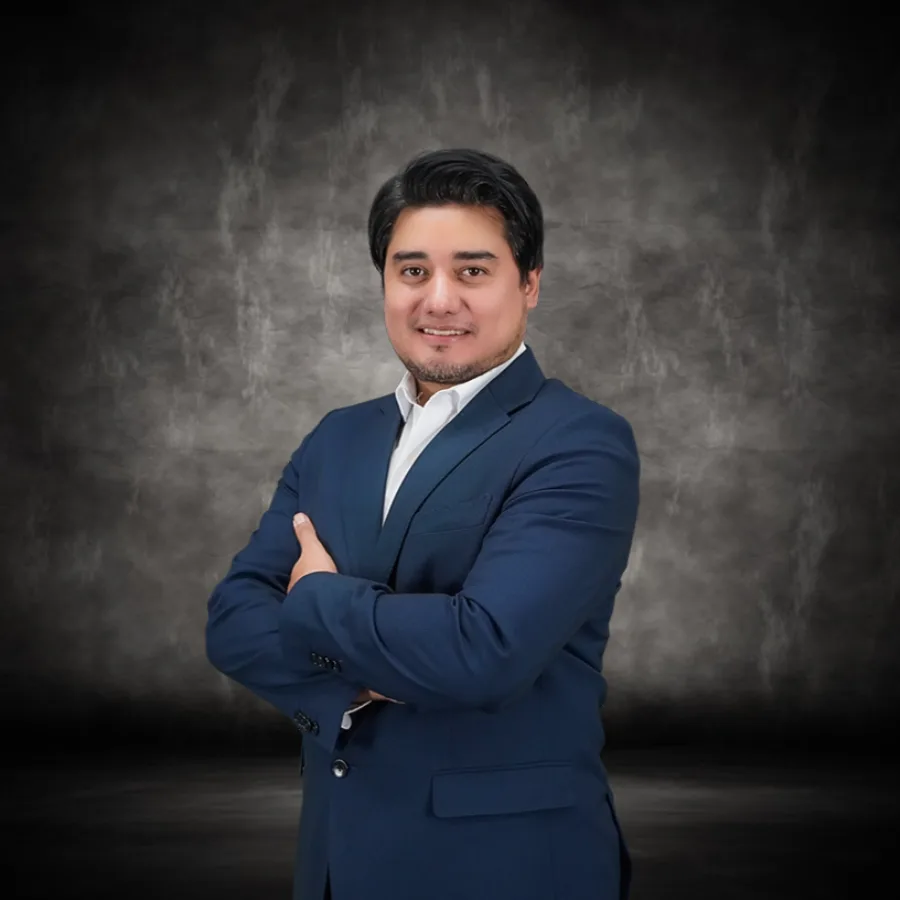
Dr. Alfredo Chama Naranjo — plastic, aesthetic and reconstructive surgeon in Tijuana, Mexico.
- Specialty professional license (Mexican Ministry of Education, SEP): 14854088 — plastic and reconstructive surgery, National Autonomous University of Mexico (UNAM), verifiable on the SEP public registry.
- Certified by the Mexican Council of Plastic, Aesthetic and Reconstructive Surgery: CMCPER No. 2607, verifiable on the council’s website. The CMCPER is Mexico’s certifying council for the specialty.
- His specialty includes reconstructive surgery — the branch dedicated to repairing tissue, not only changing its appearance.
- Sees patients in Tijuana.
Related Procedures


Schedule your virtual consultation
Your quote is personalized. Message us and we’ll guide you — in English or Spanish.
WhatsApp +52 664 585 1602Results vary. Consult your specialist.
Consultation
Schedule your consultation
Direct attention from Dr. Alfredo Chama's team, Mexican Council-certified plastic surgeon in Tijuana. Message us or call to schedule your appointment.
or if you prefer, directly:
Last updated: October 2, 2026